
Same-Day Payout Casinos in Australia: Who Actually Pays You Today
Same-day payout at an Australian online casino is not a slogan. It is a tested figure — a PayID transfer that lands in eleven minutes at one operator and over four hours at another, a USDT-TRC20 withdrawal that clears in under two minutes for one player and takes the full advertised fifteen for someone else. The spread is real, and the median time tells you almost nothing about what you will see on a Wednesday afternoon.

This page works through what “same-day” actually means in , who delivers it, who does not, and what sits underneath every figure on the table. The legal frame matters: every casino reviewed here is offshore, online casino is prohibited in Australia under the Interactive Gambling Act 2001, and there is no Australian licence for the product these operators sell. That frame shapes the protection gap, the help infrastructure that does and does not reach you, and the choices that follow from both.
Current as of 22 November 2026, licence and prohibition claims verified against the Australian Communications and Media Authority register.
Table of Contents
- “Same-Day,” “Instant” and “Fast”: Three Payout Promises That Aren’t the Same
- What “Same-Day Payout” Actually Requires in Practice
- Why Your Casino Withdrawal Speed Depends on More Than the Casino
- The Real Cost of SkyCrown’s Welcome Bonus
- Tested: Which Same-Day Payout Casinos Actually Deliver for Australian Players in CY
- No Australian Casino Licence Exists — Here’s What That Means for Your Payout
- Same-Day Payout Pokies: The Slots That Won’t Hold Up Your Cashout
- The Player Protection Gap Every Australian Punter Walks Into
- How We Evaluated These Same-Day Payout Casinos
- Your Money, Your Risk: What Every Australian Player Should Decide Before Signing Up
- Frequently Asked Questions
“Same-Day,” “Instant” and “Fast”: Three Payout Promises That Aren’t the Same
“Same-day payout,” “instant withdrawal” and “fast cashout” are used interchangeably by marketing copy. They are not the same commitment.
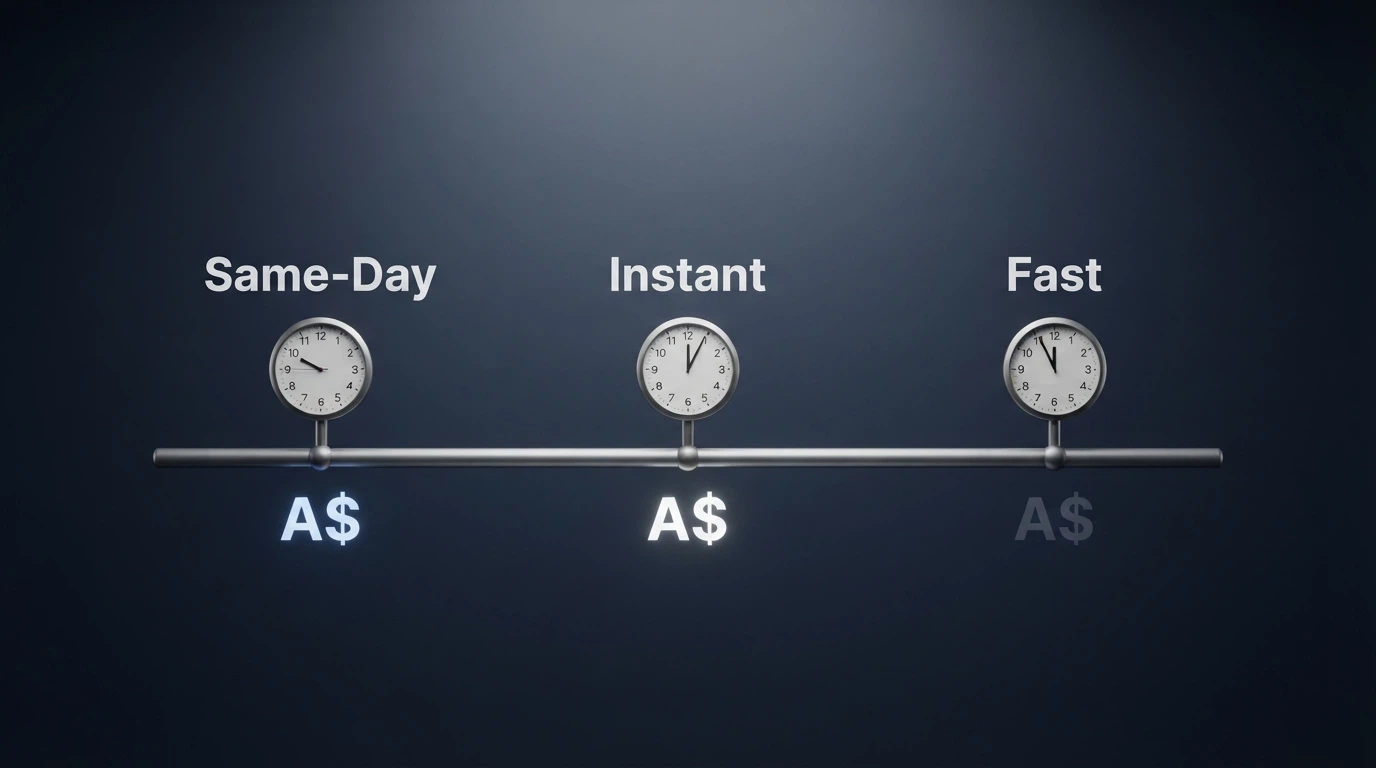
Same-day payout means the money reaches you inside one calendar day — by midnight local time on the day you hit withdraw. Instant means the transfer is automated, with no manual review holding the queue. Fast is the loosest claim, often a euphemism for under twenty-four hours, sometimes a flat next-business-day promise dressed up in a word.
The distinction matters because the operators using these labels are not choosing randomly. A casino that runs an automated PayID queue and clears cashouts under A$2,000 without human review can truthfully call itself instant. One that processes withdrawals in a 24-to-48-hour batch window is calling that fast, and the marketing does not always tell you which kind of fast. A “same-day” claim that quietly excludes weekends is a same-day claim only five days a week.
In practice, PayID sits at the same-day end of the spectrum for Australian players — tested median times of 10–40 minutes, 24/7 settlement on the New Payments Platform, no casino fee. USDT-TRC20 sits at the instant end — 5–15 minutes median, fastest single test of one minute forty seconds, with a network fee of roughly A$1.50. Cards and bank transfers are the lanes where “fast” stops meaning fast: cards take 1–3 business days at up to 4% in fees, bank transfers 3–5 business days at up to 5%.
The label on the casino’s homepage tells you what they want to sell you. The median tested time on the method you will actually use tells you what you will see.
What “Same-Day Payout” Actually Requires in Practice
The promise collapses when any one of four conditions is not met.
Your account has to be fully verified. Incomplete KYC is the number one cause of withdrawal delays at online casinos — the casino needs to confirm who you are before it sends you money, and a request submitted against a half-checked account sits in the queue until the missing documents arrive. The cheapest speed upgrade available is to verify before you deposit: identity, proof of address, and proof that the payment method you will withdraw to belongs to you.
The withdrawal has to be requested inside the operator’s processing window. Automated queues run constantly, so this matters mostly at operators that still process manually or that batch payouts at set times. A request submitted at 11pm on a Friday at a manually-reviewed operator will not be reviewed until Monday morning, and “same-day” quietly becomes three business days.
The method has to be fast. PayID and USDT-TRC20 are the two rails that deliver same-day with any reliability. E-wallets run 1–4 hours in the best case and slip into next-day territory when verification stalls. Cards and bank transfers are not same-day rails for anyone, and using them at an otherwise fast casino will not make the casino faster.
The amount has to sit inside the auto-approval threshold. Operators that automate approval on sub-A$2,000 withdrawals — SkyCrown and VegasNow among them — route those requests around the manual queue entirely. A request above the threshold falls back to human review, and the timeline lengthens.
A fifth condition, often missed: no bonus wagering still outstanding. Most operators will not release a withdrawal while a bonus is in play, and a request submitted during wagering is held until the playthrough clears or the bonus expires. The right move, when speed matters, is to finish the bonus before you withdraw — or accept that your payout will wait for the bonus to resolve.
The combination is what produces the headline numbers. A verified player requesting PayID for A$920 at SkyCrown on a weekday at 2pm sees eleven minutes; the same player submitting at 11pm on a Saturday at an unverified account on a card sees something closer to four days. Same label, different reality.
Why Your Casino Withdrawal Speed Depends on More Than the Casino
The casino’s brand name matters less than three things the player controls. The payment rail you pick is the dominant speed factor — PayID and crypto are not close to cards and bank transfers, regardless of which operator sits on the other end. KYC is the universal bottleneck, and the operators are honest when they say verification is what slows payouts down. The time you hit “withdraw” decides whether you fall inside or outside the processing window, and on weekends that window narrows for every rail that touches a bank.
PayID has displaced everything else as the dominant Australian casino payment method — deposits are instant and withdrawals at well-run casinos average 9–40 minutes. That is the Australian rail, running on infrastructure the banks built, and it is the practical answer for anyone who is not specifically seeking a crypto path.
PayID: Australia’s Home-Grown Payout Advantage
PayID runs on Australia’s New Payments Platform. Settlement is 24/7, the cost to the player is zero at the casino end, and the rail is built into every major Australian bank app. No other method combines speed, familiarity and zero fees for Australian players.
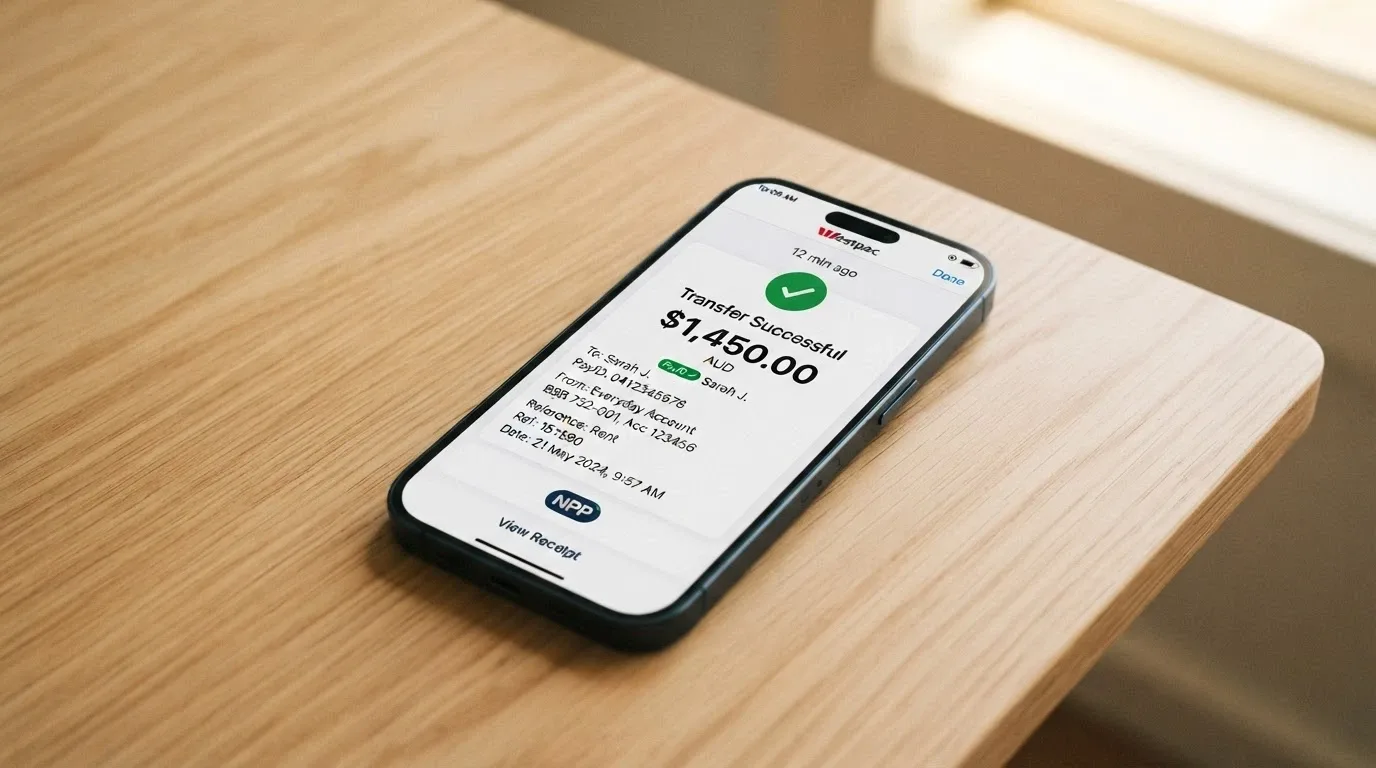
The tested numbers: PayID median withdrawal time is 10–40 minutes with no casino fees. SkyCrown’s median PayID is nine minutes; VegasNow’s is twelve. Both run automated approval queues that bypass manual review on cashouts under A$2,000 to verified accounts. A SkyCrown PayID test of A$920 was received in eleven minutes on a weekday; a weekend test of A$450 took eighteen. The weekend penalty is real but small — an extra seven minutes for the rail that already costs nothing at the casino end.
The threshold matters more than the median. Sub-A$2,000 to a verified account at an operator with an automated PayID queue is the fastest realistic same-day path for a non-crypto Australian player. Above that threshold, the request usually moves to manual review and the timeline extends. Players planning a larger withdrawal should expect the speed to degrade at the margin.
For the non-crypto user, PayID is the answer. For the crypto user, PayID is still the right rail for any withdrawal that wants to land in Australian dollars without an exchange hop. The crypto option is faster on the clock, but it adds friction, fees and a layer of FX risk that PayID skips entirely.
Crypto Withdrawals: Minutes, Not Hours — With Strings Attached
Crypto is the fastest rail by the clock. USDT-TRC20 median withdrawal time is 5–15 minutes with a network fee of approximately A$1.50. The fastest single payout recorded in the test set was one minute forty seconds at LuckyDreams. On a clean network confirmation, the money is in your wallet before the casino’s confirmation email arrives.
The strings are real. Network fees are a small constant drag, and they rise with congestion on the Tron network. Exchange-to-AUD friction is the larger cost — the withdrawal lands in USDT, and turning USDT into Australian dollars is a second transaction with its own fee, its own timing, and its own price exposure during the confirmation window. Price swing risk during that window is small but not zero: if the crypto-to-AUD rate moves against you between sending and converting, the AUD figure you receive differs from the figure you saw when you hit withdraw.
The regulatory context cuts harder. Crypto is banned as payment for licensed Australian wagering since 11 June 2024 under the Interactive Gambling Amendment (Credit and Other Measures) Act 2023 — operators licensed under Australian wagering rules cannot accept it. Its presence on a casino’s deposit page is therefore a signal, not a feature: the operator is not under Australian rules, and the transaction is not protected by Australian consumer law. A player choosing crypto is choosing the fastest rail and the least regulated frame, simultaneously.
For the right reader — someone already holding crypto, comfortable with the wallet, unconcerned about the offshore frame — crypto delivers the speed PayID cannot match. For everyone else, PayID is faster in practice once the exchange hop is counted.
E-Wallets, Cards and Bank Transfers: The Slower Lanes
The slower rails are not without merit. E-wallets sit between crypto and bank in speed, cards offer the familiarity of a Visa or Mastercard debit, and bank transfers feel like the most “official” path. The cost of choosing any of them is time, and for a reader who came to this page for same-day payout, that cost is the whole point.
| Payment Method | Median Withdrawal Time | Typical Fee | Best For |
|---|---|---|---|
| PayID | 10–40 min | None | Same-day AUD payouts for Australian bank account holders |
| USDT-TRC20 (crypto) | 5–15 min | ~A$1.50 network fee | Fastest raw speed for users comfortable with crypto |
| E-wallets (MiFinity, Jeton) | 1–4 hours | Varies by operator | Mid-tier speed for users without PayID or crypto |
| Card (Visa/Mastercard debit) | 1–3 business days | Up to 4% | Players who prioritise familiarity over speed |
| Bank transfer | 3–5 business days | Up to 5% | Large withdrawals where the multi-day timeline is acceptable |
E-wallet speeds are 1–4 hours at MiFinity and Jeton — workable for many players, but a step behind PayID on the same-day question. Skrill and Neteller withdrew from many Australian-facing casinos during 2024–2025, so the e-wallet option is narrower than the headline suggests. Cards take 1–3 business days at up to 4% in fees. Bank transfers take 3–5 business days at up to 5%. Both are multi-day propositions, and the fees are large enough to matter on a mid-size withdrawal — a 4% fee on A$500 is A$20 the player did not budget for.
The reason anyone still uses the slow rails is familiarity and the absence of a PayID or crypto setup. For a player who has never touched a crypto wallet and whose bank does not surface PayID cleanly, an e-wallet or a card may be the only practical option, and the speed hit is the price of that constraint. For everyone else, the table above is a checklist: pick the rail that matches the speed you need.
KYC Verification: The One Step That Decides Your Payout Speed
Every same-day promise collapses at an unverified account. KYC is the single biggest lever the player controls, and completing it before depositing is the cheapest speed upgrade available.
What KYC checks, in the standard order:
- Government-issued photo ID (passport, driver’s licence)
- Proof of address (utility bill or bank statement, usually within the last three months)
- Payment method verification (a screenshot of the card or a statement showing the deposit account)
Why operators delay rather than decline: an incomplete verification is not a refusal to pay, it is a pause pending the documents. The casino wants to release the money; the regulator wants to know who is receiving it; the payment processor wants to confirm the destination. All three look to the player, and all three slow the same withdrawal.
The “verify first, play later” strategy is straightforward: complete KYC before the first deposit, store the verified payment method, and request the first withdrawal from a method the casino has already confirmed. Verification on the first withdrawal typically takes 24–48 hours at operators without instant verification; some operators process it in minutes. A player who waits until the cashout to verify adds that 24–48 hours to every subsequent withdrawal.
The right time to verify is now. The wrong time is when you have a winning session and want the money today.
The Real Cost of SkyCrown’s Welcome Bonus
The expected cost of clearing a casino bonus is the figure the marketing copy does not show. For SkyCrown’s first-deposit offer — 120% up to A$1,200 at a 40x wagering multiplier on the bonus — the calculation runs as follows. Assume a player takes the full first-deposit match of A$1,200 in bonus money, plays the bonus on Big Bass Bonanza (RTP 96.71%, a representative Pragmatic Play slot), and wagers only the bonus amount.
The required turnover is the bonus multiplied by the wagering factor: A$1,200 × 40 = A$48,000 in wagers. The expected house edge on Big Bass Bonanza at that RTP is 3.29%, so the expected loss across the required turnover is A$48,000 × 0.0329 = A$1,579.20. That is the statistical cost of clearing the bonus — an average over many spins, not a guaranteed outcome for any single session.
The framing matters. The bonus pays A$1,200 if cleared; the expected cost of clearing it is A$1,579.20. The bonus is not free money. It is a tradeoff: the player accepts a higher expected loss in exchange for a larger balance to play with, and the multiplier decides how steep the tradeoff is. A 40x multiplier on a bonus-only wagering base is steeper than the market average. A lower multiplier — 30x, the figure Royal Reels and WinSpirit run — would cut the expected loss to roughly A$1,184 at the same RTP, a meaningful reduction. The wagering multiple, not the headline bonus size, is what determines what the offer actually costs.
Tested: Which Same-Day Payout Casinos Actually Deliver for Australian Players in
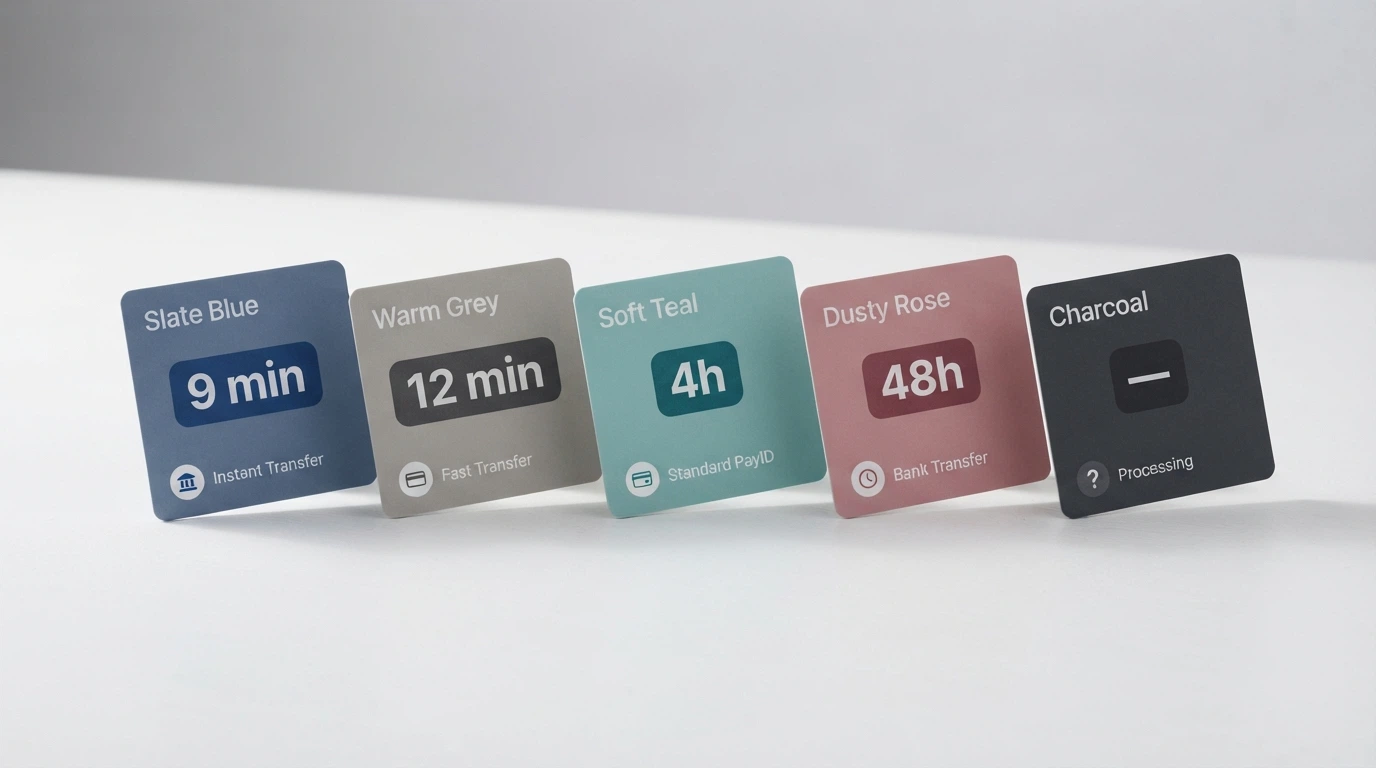
The comparison below ranks the ten operators Australian players actually access by tested payout speed. Where research carries tested times, those times appear in the table; where research did not confirm a figure, the cell carries an em dash rather than a guess. The split between proven same-day performers and the rest is visible at a glance.
| Casino | Welcome Bonus | Wagering | Same-Day Payout Speed — Tested | Game Providers |
|---|---|---|---|---|
| SkyCrown | 4-tier up to A$8,000 + 400 FS | 40x (bonus + FS) | PayID 9 min median; A$920 in 11 min (weekday) | Pragmatic Play, Play’n GO, BGaming, NetEnt (8,000+) |
| Rocket Play | 100% up to A$1,000 + 100 FS | 40x (bonus + FS) | PayID under 1 hour | BGaming, Pragmatic Play |
| Royal Reels | — | 30x (bonus) | PayID 4h 12m (weekday); crypto under 1 hour | — |
| Stake | No standard welcome match | Varies | Crypto fast when verified | Stake Originals + third-party |
| FairGO | 300% up to A$3,000 + 50 FS | 30x (deposit + bonus); 60x (free bonus) | Declared 48 hours | RTG |
| WinSpirit | 100% up to A$500 + 50 FS | 30x (bonus) | E-wallets 1–3 business days | — |
| Bizzo Casino | Up to A$7,250 + 175 FS (4 deposits) | 40x (all parts) | Not confirmed | Pragmatic Play and others (8,000+) |
| Rainbet | 250% + 60 FS or 100% up to A$500 + 100 FS | 30x–40x | Crypto instant/uncapped; e-wallets 1–2 business days | 6,500-game library |
| Scream Casino | — | — | Not confirmed | — |
| Rocket Casino | Large headline match (details unconfirmed) | — | Average | — |
SkyCrown sits at the top because it is the operator with both the fastest tested median and the deepest game library. Royal Reels lands mid-table despite a 90/100 reliability score because PayID tested at four hours twelve minutes pushes it out of the same-day tier. FairGO’s declared 48-hour payout window places it firmly outside the same-day race, and WinSpirit sits in the same gap with a 1–3 business day e-wallet lane. Bizzo, Scream and Rocket Casino carry em dashes in the speed column because research did not confirm a tested time — the operators are present in the market, but the figure a reader needs to compare them is missing.
SkyCrown: The PayID Speed Benchmark
SkyCrown is the fastest PayID operator in the tested set, with a nine-minute median and a single A$920 withdrawal received in eleven minutes on a weekday. A weekend test of A$450 took eighteen minutes — the rail slows slightly outside business hours, but the slowdown is measured in minutes, not hours. Sub-A$2,000 withdrawals to verified accounts route through an automated queue that bypasses manual review.
The welcome package is a 4-tier deal up to A$8,000 plus 400 free spins, with a 40x wagering multiplier on bonus and free spins. The first-deposit tier alone is 120% up to A$1,200 plus 125 free spins, and the minimum deposit rises through the tiers — A$30 for the first, up to A$50 for the fourth. The game library runs to over 8,000 titles, with Pragmatic Play, Play’n GO, BGaming and NetEnt among the providers.
SkyCrown is the fastest-paying choice for a player who has decided on PayID, targets a sub-A$2,000 withdrawal, and wants the deepest library in the set.
Rocket Play: Reliable Sub-Hour PayID
Rocket Play processes PayID withdrawals in under an hour, with a straightforward welcome offer and a hard cashout cap on bonus winnings that the player needs to know before claiming.
The welcome package is 100% up to A$1,000 on the first deposit plus 100 free spins delivered 20 per day for five days. The wagering multiplier is 40x on the cash bonus and the free spins. The bonus carries a five-day validity — short by market standards, and a real constraint for anyone who plays in short sessions. The minimum deposit for the bonus is A$30, and the maximum cashout from the welcome bonus is A$5,000. The maximum bet while wagering is A$7.50.
Game providers include BGaming and Pragmatic Play. Rocket Play delivers reliable sub-hour payouts, fitting for a player who values consistency over a massive headline bonus and is comfortable with a hard cashout cap.
Royal Reels: High Reliability, Moderate Speed
Royal Reels scores 90/100 on payout reliability and clears crypto withdrawals in under an hour, but PayID tested at four hours twelve minutes on a weekday — well inside “fast” but outside the same-day tier for the dominant Australian rail.
The declared payout window is under 24 hours. The wagering multiplier is 30x on the bonus amount, lower than SkyCrown and Rocket Play, which offsets the slower speed for players who measure offers by wagering cost. Minimum deposits are A$20 on PayID and A$10 on Neosurf. The game library is pokies-focused.
Royal Reels balances high reliability with moderate speeds — a solid pick for a player who uses crypto for same-day speed or accepts the longer PayID processing time in exchange for a lower wagering multiplier.
Stake: Crypto-Native, No Standard Welcome Match
Stake holds a Curacao licence and runs a crypto-centric product — Bitcoin, Ethereum, Litecoin, USDT — with fast crypto withdrawals once verification is complete. There is no conventional welcome match bonus; the operator’s promotional structure runs through reload races, VIP offers and selected fiat promotions, with wagering that varies by promotion.
The game library combines Stake Originals — proprietary titles built for the platform — with third-party providers. Stake is not a same-day pick in the PayID sense; it is a same-day pick in the crypto sense, and the reader who comes to Stake is choosing the crypto rail by design.
Stake offers a crypto-native experience without a standard welcome bonus, appealing to users already comfortable with the rail who want fast withdrawals upon verification.
FairGO: RTG Pokies Specialist, 48-Hour Declared Window
FairGO runs on RealTime Gaming software and is built around pokies. The welcome package is a large 300% up to A$3,000 plus 50 free spins for a minimum deposit of A$20 — a heavier match percentage than most of the set, with a 30x wagering multiplier on deposit plus bonus (60x for free bonuses). The maximum bet while wagering is A$10, and free-money promos cap at A$180 maximum cashout; deposit bonuses are uncapped.
The declared payout window is 48 hours. E-wallets are faster than bank transfers, but neither lane reaches same-day at FairGO. The operator is on this page for its pokies library and its bonus size, not its payout speed.
FairGO focuses on pokies variety and bonus size rather than speed, making it the choice for a player who prioritises a large match offer and can accommodate a two-day wait.
WinSpirit: Modest Bonus, Multi-Day Withdrawals
WinSpirit runs a 100% up to A$500 welcome bonus plus 50 free spins with a 30x wagering multiplier on the bonus amount — the smallest bonus in the set, but the lower wagering rate partly compensates. E-wallet withdrawals take 1–3 business days; bank transfers up to five.
WinSpirit is on this page for contrast. The bonus is reachable, the wagering is moderate, and the speed is not same-day. The player who lands here is choosing a known operator with modest terms over the speed race.
Bizzo Casino: Deep Library, Untested Payout Speed
Bizzo carries a large 4-tier welcome package up to A$7,250 plus 175 free spins, with a 40x wagering multiplier on all parts and a 14-day bonus validity. The maximum bet while wagering is A$8. The first deposit alone is 125% up to A$2,500 plus 125 free spins for deposits of A$250 or more, tiered lower for smaller deposits. The free spins run on Big Bass Bonanza 1000 — a verified 96.51% RTP Pragmatic Play title. The game library exceeds 8,000 titles, with Pragmatic Play among the providers.
The same-day payout speed was not confirmed by tested data in this research cycle. Bizzo is on this page for its library and bonus structure; the speed figure a reader needs to compare it to the same-day performers is missing.
Bizzo is the right pick for a player who values the largest bonus in the set and is willing to verify the speed themselves before committing a larger deposit.
Rainbet: Crypto-Instant, Fiat-Slow
Rainbet is a split-personality operator. Crypto withdrawals are instant, fee-free and uncapped — among the fastest in the set. E-wallet withdrawals take 1–2 business days, and the gap between the two rails is wide enough to define which players the brand suits.
The welcome package is reported in two forms: a 250% deposit bonus plus 60 free spins, or a 100% up to A$500 plus 100 free spins depending on the source. The wagering multiplier runs 30x–40x. The bonus validity is seven days, short by market standards. The maximum cashout from the bonus is A$200, a tight ceiling. The game library runs to 6,500 titles.
Rainbet is the right pick for a crypto user who wants the fastest rail in the set. For a fiat-only player, the e-wallet lane makes this a non-same-day choice.
Scream Casino: Thin Data, Modest Market Share
Scream Casino holds 0.99% of the Australian market by share, is offshore with no Australian licence, and carries almost no confirmed specifics — welcome bonus, wagering multiplier, payout speed and game providers were not confirmed in this research cycle. The operator is present in the market but unassessed on the metrics that matter for a same-day comparison.
Scream is on this page because the market share makes it visible to Australian players, and because omitting it would leave a reader who has heard the name with no context. The honest framing is that the data behind a comparison is missing.
Scream is the right pick only for a reader willing to verify bonus terms, wagering and payout speed before depositing.
Rocket Casino: Large Headline, Average Speed
Rocket Casino holds 0.57% of the Australian market, is offshore with no Australian licence, and runs a large headline match bonus whose wagering, cap and expiry were not confirmed in this research cycle. The payout speed is described as average in available sources — neither same-day nor multi-day, sitting in the middle of the pack.
The thinness of the confirmed data is the story. A reader attracted by the headline bonus needs to verify the wagering multiplier, the maximum cashout, the bonus validity and the actual payout speed before committing a deposit, because the figures behind the headline were not pinned down in this cycle.
Rocket is the right pick only for a reader willing to read the full terms page before depositing, and only after confirming the payout speed at a low-stakes test withdrawal.
No Australian Casino Licence Exists — Here’s What That Means for Your Payout
The legal frame shapes everything that follows from a same-day payout decision. Online casino is prohibited under the Interactive Gambling Act 2001, no licence exists anywhere in Australia for the product these operators sell, and every casino on this page is therefore an offshore entity operating outside Australian law.
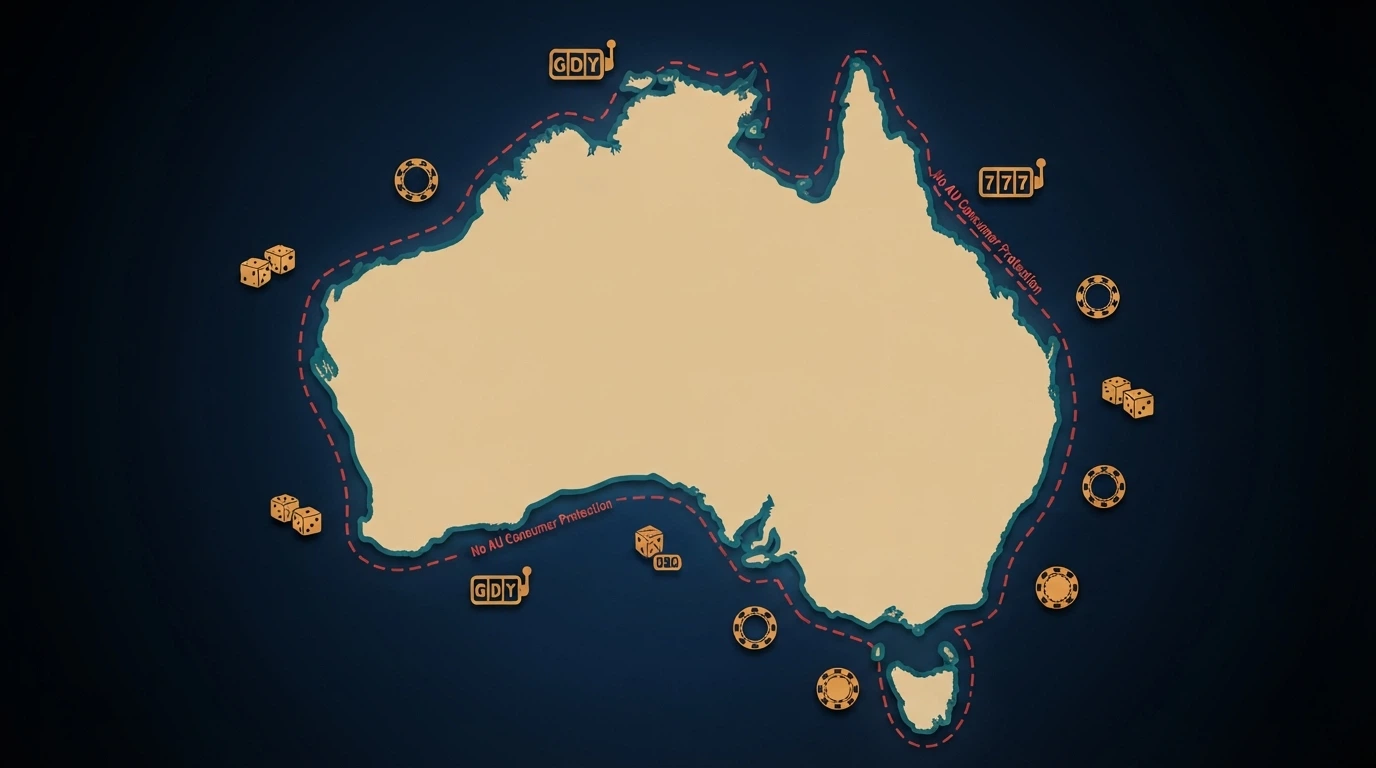
The enforcement record is substantial. Since its first blocking request in November 2019, the ACMA has had 1,564 illegal gambling and affiliate websites blocked by Australian internet service providers as of March . Over 225 illegal services have withdrawn from the Australian market since the ACMA started enforcing new rules in 2017. In the October–December 2025 quarter alone, the ACMA blocked 133 illegal gambling websites — the majority casino-style services offering blackjack, roulette, poker and slots. The pace has not slowed.
The ACMA’s standing advice to consumers is direct: “Even if a service looks legitimate, it’s unlikely to have important customer protections. This means Australians who use illegal gambling services risk losing their money.” That warning is the closing line of a real enforcement record, not a boilerplate caveat.
The Interactive Gambling Act: Online Casino Is Prohibited, Full Stop
The Interactive Gambling Act 2001 makes it an offence to provide online casino games, online pokies and in-play sports betting to a person in Australia. No licence exists federally or in any state or territory for the casino product.
What is licensed is pre-event wagering — sports and racing bets placed before an event begins — through operators licensed by a state or territory body. The Northern Territory Racing and Wagering Commission, administered through Licensing NT, is the de facto national licensor for online bookmakers, with licences running up to twenty years. Lotteries and keno are also legal and licensed. Minimum age is 18.
The IGA targets the provider, not the player. An Australian who deposits at an offshore casino is not committing an offence; the casino providing the service is. The practical consequence for the player is not prosecution but the absence of every protection that prosecution-adjacent regulation would otherwise provide.
The 2017 amendment strengthened ACMA enforcement powers and created the framework for the blocking regime that has since removed 1,564 sites from Australian reach. The reform passed Parliament on 19 August and adds a further layer.
Licensed Wagering vs Offshore Casino: Know the Difference
The licensed wagering market and the offshore casino market are different products under different rules, and conflating them costs the player the protections they assume they have.
A licensed Australian wagering operator holds an NTRWC or equivalent state/territory licence, connects to BetStop for self-exclusion, falls under Australian consumer law, and accepts payment methods consistent with Australian rules. An offshore casino holds no Australian licence (none exists for casino), connects to no Australian self-exclusion register, falls under no Australian consumer law, and accepts payment methods that licensed Australian operators cannot — including crypto, which has been banned for licensed wagering since 11 June 2024 under the Interactive Gambling Amendment (Credit and Other Measures) Act 2023.
The payment restrictions expose the difference cleanly. Credit cards and crypto are banned as payment for licensed online wagering, with penalties up to A$247,500 for non-compliance. An Australian asked for a credit card deposit or a Bitcoin address by a gambling site is being served by someone outside Australian rules — that is the signal, and it should be read as one.
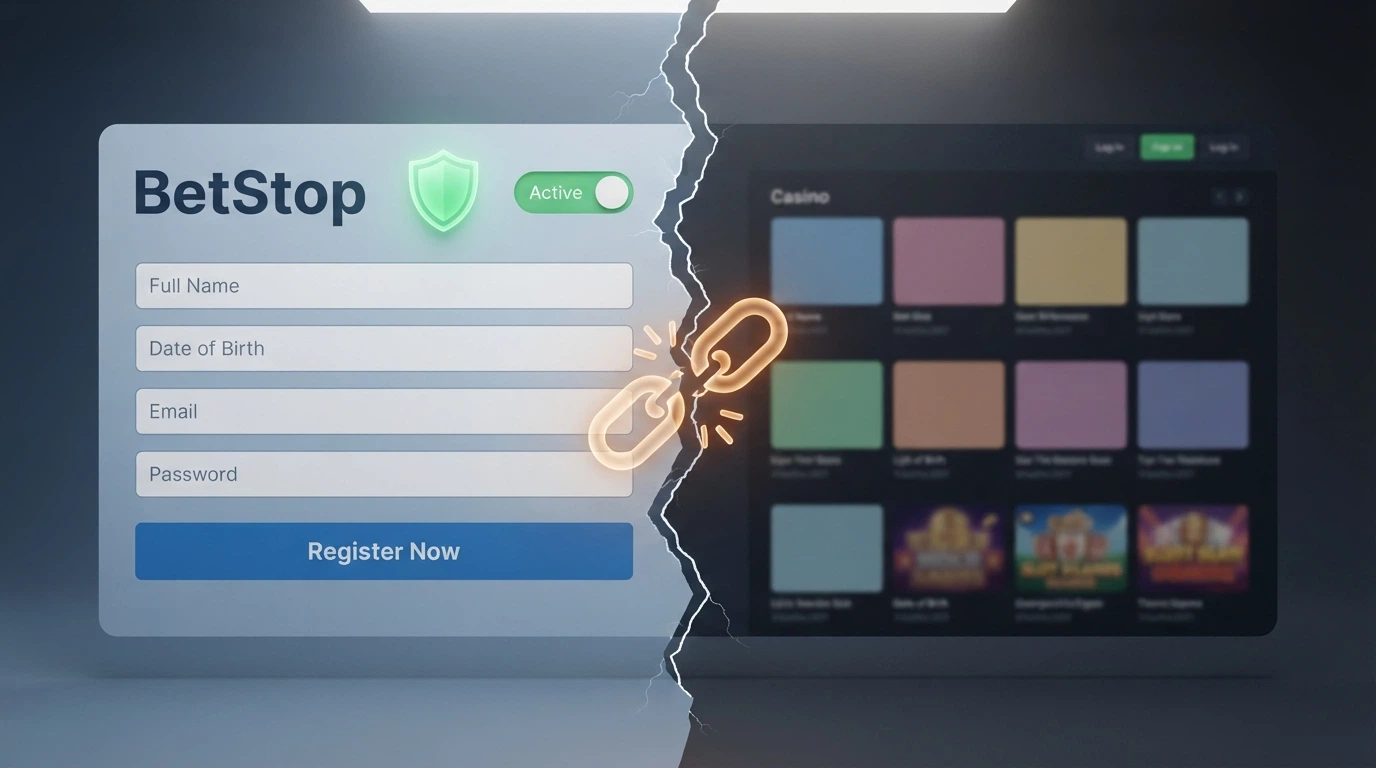
BetStop illustrates the same gap from the protection side. BetStop excludes a person from all approximately 150 licensed Australian wagering providers in a single registration, with minimum exclusions of three months and a lifetime option available. It does not cover any offshore casino. A player who self-excludes from licensed wagering can still deposit at every operator on this page without a barrier.
How to check: the ACMA maintains no whitelist of licensed online casinos because no such casino exists. Any site offering online casino games to an Australian player is, by definition, operating outside the Australian framework.
The Gambling Reform: What Changes from January 2027
The Interactive Gambling Amendment (Gambling Reform) Bill passed Parliament on 19 August and commences 1 January 2027. The package reshapes the licensed wagering market and reaches the offshore operators indirectly through payment-blocking powers.
For the licensed market: a maximum of three wagering advertisements per hour between 6:00 am and 8:30 pm on broadcast television, with a live-sport blackout running from fifteen minutes before until five minutes after a live sporting event. Athletes, celebrities and influencers are barred from promoting wagering products. No wagering advertising inside sports venues or on player and official uniforms. Direct marketing of inducements is prohibited for fourteen days after sign-up, for three months after BetStop deregistration, and indefinitely for at-risk customers.
For the offshore operators: banks and payment providers gain express authority to block transactions to illegal gambling operators from 1 January 2027. The practical effect is that an Australian bank can decline a transaction it identifies as directed at an unlicensed gambling site, and the offshore operator’s path to Australian deposits narrows accordingly. Foreign matched lotteries and online keno are also prohibited under the same package.
The reform does not legalise online casino. It tightens the frame around the licensed market and gives Australian finance infrastructure the authority to slow the unlicensed one. A reader comparing same-day payout operators in is making a decision inside a frame that is about to become more restrictive, not less.
What Offshore Status Means for Your Money
The practical risks of playing at an unlicensed offshore casino are not theoretical. They are the predictable consequences of using a service that operates outside any Australian framework.
The site can be blocked. The ACMA has blocked 1,564 illegal gambling and affiliate websites since November 2019, including 133 in the October–December 2025 quarter alone. A player’s casino could be next, with a balance still held.
There is no Australian consumer law protection. No Australian regulator has jurisdiction over the operator. The Australian Competition and Consumer Commission cannot pursue a complaint. The Australian Financial Complaints Authority does not reach offshore gambling disputes.
There is no BetStop coverage. Self-exclusion from licensed wagering does not extend to any casino on this page. The approximately 150 licensed providers a BetStop registration covers are not the operators players actually use for casino games.
There is no external dispute resolution. A complaint to the casino’s own support team is the only path. If the operator refuses a withdrawal, voids a win on a bonus dispute or closes the account, the player has no escalation route. Offshore licensing regimes (Curacao, Malta, Anjouan) offer dispute mechanisms in principle, but the practical track record from an Australian player perspective is uneven.
Operators can and do refuse withdrawals. The reasons vary — unmet wagering, bonus term disputes, payment method verification, “irregular play” clauses — and the operator’s interpretation is final in the absence of external review. Players who believe they have a legitimate claim have limited recourse once the casino’s decision is made.
225+ services have withdrawn from the Australian market since 2017. Some closed voluntarily. Some were blocked. Some simply stopped serving Australian players. In every case, balances held at withdrawal or in play were subject to the operator’s own terms — a stark contrast to the licensed market, where Australian consumer law and regulatory oversight apply throughout.
Same-Day Payout Pokies: The Slots That Won’t Hold Up Your Cashout
The pokie itself does not control payout speed — the casino does — but knowing which titles carry verified RTP and volatility helps a player understand what they are playing while the withdrawal sits in the queue. A low-RTP pokie costs more per spin to clear bonus wagering; a high-volatility pokie produces a wider distribution of outcomes. Both numbers are useful, and both are independent of the casino’s payment rails.

Pokies with Proven Fast-Payout Operator Support
The pokies in the table below are available at the operators with tested same-day PayID or crypto withdrawals. Pragmatic Play titles appear at SkyCrown, Rocket Play and Bizzo; Play’n GO titles at SkyCrown; NetEnt at SkyCrown. The operator-library overlap is real, and a player who chooses a pokie from the verified set at a same-day-tier operator holds both ends of the speed question.
The distinction is worth restating: “pokies payout speed” is always the casino, never the game. A 96.71% RTP pokie at a multi-day casino still pays out in multi-day time. The RTP tells the player what to expect over the spin session; the casino’s payment rails tell the player when the money arrives.
RTP and Volatility: The Pokie Performance Table
| Pokie Title | RTP | Volatility | Provider |
|---|---|---|---|
| Big Bass Bonanza | 96.71% | Medium/high | Pragmatic Play |
| Sweet Bonanza | 96.51% | High | Pragmatic Play |
| Gates of Olympus | 96.50% | High | Pragmatic Play |
| Wolf Gold | 96.01% | Medium | Pragmatic Play |
| Book of Dead | 96.21% | High | Play’n GO |
| Starburst | 96.09% | Low/medium | NetEnt |
| Reactoonz | 96.51% | High | Play’n GO |
| Big Bass Splash 1000 | 96.51% | High | Pragmatic Play |
| Sweet Bonanza 1000 | 96.48% | Very high | Pragmatic Play |
The cluster sits between 96.01% and 96.71% RTP — a tight band that reflects the Pragmatic Play / Play’n GO / NetEnt house style. Volatility separates them: Starburst’s low/medium volatility produces a steadier session with smaller swings; Sweet Bonanza 1000’s very high volatility produces a spikier distribution where long quiet stretches are punctuated by larger hits. Both are valid choices; the right one depends on the player’s session preference.
RTP and wagering interact at the bonus clearing stage. The expected loss calculation earlier in this page used Big Bass Bonanza at 96.71% as the representative RTP — a player who clears the bonus on a 96.50% pokie pays a slightly higher expected loss, and a player who clears on a 96.71% pokie pays a slightly lower one. The difference is real but small within this cluster.
The Player Protection Gap Every Australian Punter Walks Into
BetStop, the National Gambling Helpline and Australian consumer law cover licensed wagering. None of them reach the offshore casinos on this page. The gap is structural, not accidental, and the harm statistics make clear why the gap matters.
As of March , 15.1% of the Australian adult population — an estimated 3.32 million people — are experiencing some level of gambling harm from their own or another person’s gambling. 13.0% (2.857 million) are experiencing harm from their own gambling behaviours; 5.4% (1.177 million) from other people’s gambling. The figures are large enough that the question is not whether the reader knows someone affected but whether they have counted them.
Problem gambling is rising. The PGSI rate — the clinical screen for problem gambling — moved from 1.9% in 2022–23 to 2.4% in 2023–24 to 2.9% in 2024–25, an estimated 622,000 Australians. Risky gambling rose from 13.7% in 2024 to 19.4% in 2025, almost doubling since the COVID-19 lockdowns.
Overall gambling participation declined to 58.8% in 2025, but the online share grew: 56.1% of individuals who gambled mainly participated online. The decline in participation and the rise in online concentration point in the same direction — fewer Australians gambling, and the ones who do gambling through the channels with the least protection.
BetStop Doesn’t Cover Offshore Casinos — Here’s What That Costs You
BetStop — the National Self-Exclusion Register — launched on 21 August 2023. By 31 December 2025, it had 54,859 total registrations, with 35,135 active exclusions in force. 78% of registrants were under 40, and 38% chose lifetime exclusion. The register works, and it works quickly: one registration excludes a person from all approximately 150 licensed Australian online and phone wagering providers.
It does not cover any offshore casino. A player who registers with BetStop cannot place a wager with a licensed Australian bookmaker for the duration of their exclusion. The same player can still deposit at every operator on this page without a barrier, because none of them connect to the Australian register.
The asymmetry is the cost. For someone trying to control their gambling, BetStop addresses the licensed side completely and the offshore side not at all. A self-exclusion that removes access to licensed wagering but leaves every casino untouched is not a comprehensive intervention; it is a partial one, and the offshore gap is exactly where the most accessible products sit.
The offshore operators’ position is that they offer their own self-exclusion and deposit-limit tools. Those tools are operator-specific, vary in effectiveness, and have no Australian regulatory oversight. A player using them is relying on the casino’s own controls, with no external check on whether they are honoured.
Gambling Harm in Australia: The Numbers Behind the Screen
The statistics sharpen the frame. 15.1% of Australian adults — 3.32 million people — are experiencing gambling harm from their own or others’ gambling. 2.9% — 622,000 people — are classified as problem gamblers on the PGSI clinical screen, up from 1.9% in 2022–23. 19.4% are classified as risky gamblers, up from 13.7% in 2024. The trajectory is rising across every category.
The channel matters. 56.1% of Australians who gamble mainly participate online — and the offshore casinos on this page sit on the least protected end of the online spectrum. Online is where the participation is growing; offshore is where the protection is thinnest. The two trends compound.
The AIHW’s earlier dataset places problem gambling at approximately 2.1% of adults (~430,000 people) in 2022, with high-risk gambling at 1.8% — the baseline against which the Roy Morgan and ANU POLIS figures show the recent acceleration.
The numbers are large and rising. The offshore casino space operates entirely outside the safety net the Australian framework builds for licensed wagering. A reader making a same-day payout decision is making it against this backdrop.
Where to Get Help: 1800 858 858 and Beyond
The help infrastructure exists. Every Australian player should know the number before they need it.
The National Gambling Helpline is 1800 858 858 — free, confidential, staffed 24 hours a day, 7 days a week, with online chat and counselling through Gambling Help Online at gamblinghelponline.org.au. Face-to-face, telephone and online counselling is available through Gambler’s Help at gamblershelp.com.au. BetStop, the National Self-Exclusion Register, is at betstop.gov.au.
The limits of these services for offshore casino players are real: they can help the person, they cannot block the site. A player experiencing harm from offshore casino use can access counselling, financial advice and self-exclusion from licensed wagering through these channels. What they cannot do is close the player’s account at an offshore casino on the player’s behalf. That step requires either the casino’s cooperation or the ACMA’s blocking action, and neither is a substitute for the support the help line provides.
The right time to save the number is before a session. The right time to call it is whenever a session stops being a session.
How We Evaluated These Same-Day Payout Casinos
The ranking draws on tested withdrawal times from Slotspeak and Wildfish.com, payment-method benchmarks from Gambling Insider, pokie specifications from Betsquare, Pokiesaustralia.com and Slotozilla, regulatory data from the ACMA, and harm statistics from Roy Morgan, ANU POLIS and the AIHW. Where the ACMA licence framework was the test for legality, the register itself was checked — no featured operator appears on the licensed wagering list because no licensed wagering operator offers online casino.
The evaluation criteria, in order of weight: tested payout speed on the method the player will use (PayID and crypto where tested; e-wallet and bank transfer where not); bonus terms transparency (wagering multiplier, validity, maximum cashout, maximum bet); payment method mix (PayID availability, crypto support, e-wallet options); and operator responsiveness to KYC (verified accounts processed faster than unverified, and the automated-approval threshold matters).
The ranking is not a recommendation, not legal advice, and not an endorsement of offshore gambling. The operators are listed by fit to this page’s topic — same-day payout capability — in the order a reader comparing speed would compare them. Every operator on the list is offshore, no Australian licence exists for the casino product, and the legal and protection context applies to all of them equally.
What the ranking is honest about: tested data is uneven. SkyCrown carries a tested PayID median and a tested single withdrawal time; WinSpirit carries a tested e-wallet range; Scream Casino and Rocket Casino carry em dashes because the figures were not confirmed in this cycle. The em dashes are not a failure of the casino; they are a failure of the verification pass, and a reader who needs the figure should treat the missing cell as a reason to test a small withdrawal before committing a larger one.
Your Money, Your Risk: What Every Australian Player Should Decide Before Signing Up
The page has laid out the speeds, the operators, the legal reality and the protection gaps. The decision the reader actually faces is whether the payout speed is worth what they give up to get it.

The trade-off is concrete. A same-day PayID payout at a verified, automated-queue operator is real and testable — eleven minutes at SkyCrown on a weekday, twelve minutes at VegasNow, sub-hour at Rocket Play. The same speed comes with no Australian consumer protection, no BetStop coverage, no recourse if the operator refuses a withdrawal, and a site that can be blocked at any time. The reform gives Australian banks the authority to block transactions to illegal operators from 1 January 2027, narrowing the offshore path further. The reader is choosing speed against a frame that is becoming more restrictive, not less.
Three things to verify before depositing. Complete KYC before the first deposit — identity, address and payment method verification — so the first withdrawal is not delayed by documents the casino needs to see. Confirm the withdrawal method works at the casino in question — PayID at SkyCrown is fast; PayID at WinSpirit is multi-day; the difference is the operator, not the rail. Read the bonus terms in full — wagering multiplier, validity, maximum cashout, maximum bet — because the headline bonus number is the smallest part of what the offer costs.
Two numbers matter most. The tested withdrawal time tells the reader when the money arrives. The wagering multiplier tells the reader what the bonus costs to clear. The SkyCrown first-deposit expected-loss calculation earlier in this page shows the relationship directly: a A$1,200 bonus at 40x wagering on a 96.71% RTP pokie carries an expected cost of A$1,579.20 — the bonus is not free money, and the multiplier decides how steep the price is.
The responsible-gambling infrastructure exists regardless of where the player plays. The National Gambling Helpline at 1800 858 858 is free, confidential and 24/7. Gambling Help Online at gamblinghelponline.org.au offers chat and counselling. BetStop at betstop.gov.au covers every licensed wagering provider in one registration. None of these services can close an account at an offshore casino on the player’s behalf — that step requires the casino’s cooperation — but they can support the player through the process of stopping.
Same-day payout is real. The PayID rail delivers it for Australian players at the operators that automate it, and USDT-TRC20 delivers it faster for the players who can use crypto. The tested figures on this page are not marketing — they are Slotspeak and Wildfish.com measurements, and the spread between nine minutes and forty-eight hours is real. The frame around those figures is the part the marketing does not show: every operator here is offshore, every operator is outside Australian consumer law, and the help line that covers licensed wagering does not cover any of them. The reader’s job is to weigh the speed against the frame, and the choice belongs to them.
Frequently Asked Questions
Can I legally play at a same-day cashout site from Australia?
Online casino games, online pokies and in-play sports betting are prohibited under the Interactive Gambling Act 2001. No licence exists for online casino in any Australian state or territory. The individual player is not prosecuted, but every site offering these products to Australians is operating outside Australian law, and the ACMA actively blocks them — 1,564 sites blocked as of March .
Which method withdraws your money fastest?
USDT-TRC20 crypto is fastest on the clock — 5–15 minutes median, fastest single test of one minute forty seconds, with a network fee of roughly A$1.50. PayID is the fastest practical AUD rail at 10–40 minutes median with no casino fee. Cards take 1–3 business days and bank transfers 3–5, both well outside the same-day window.
Do these operators actually send winnings inside 24 hours?
Some do, some do not. SkyCrown’s tested PayID median is 9 minutes; VegasNow’s is 12 minutes; Royal Reels tested at 4 hours 12 minutes on PayID. FairGO’s declared window is 48 hours. WinSpirit runs 1–3 business days on e-wallets. The spread is wide, and the only way to know for a given operator is a small test withdrawal.
How risky are offshore casinos for Australian punters?
Risk is structural, not hypothetical. No Australian consumer law applies. No BetStop coverage. No external dispute resolution if the operator refuses a withdrawal. The ACMA can block the site at any time — 133 sites blocked in the October–December 2025 quarter alone. The operator’s own self-exclusion tools are the only safeguard, and they are operator-specific.
What can you do if a casino refuses to release your withdrawal?
Escalate inside the operator first — request the specific reason in writing, escalate to a supervisor if the front-line response is unsatisfactory. Beyond the operator, options narrow: the offshore licensing regime (Curacao, Malta, Anjouan) offers dispute mechanisms in principle, but Australian regulators have no jurisdiction. The National Gambling Helpline at 1800 858 858 can advise on consumer recourse paths even when regulatory action is not available. Prevention — verifying the account, reading the bonus terms, testing with a small withdrawal before committing larger funds — is more effective than any escalation.