The Honest Guide to Ethereum Casinos for Australian Players in 2026
If you’ve typed “casino that takes ETH” into a search engine recently, you already know the shape of the answer that comes back: a list of offshore brands, a bonus figure, a payout time. What the lists rarely do is tell you what “accepts Ethereum” actually costs you in this country. This page does.
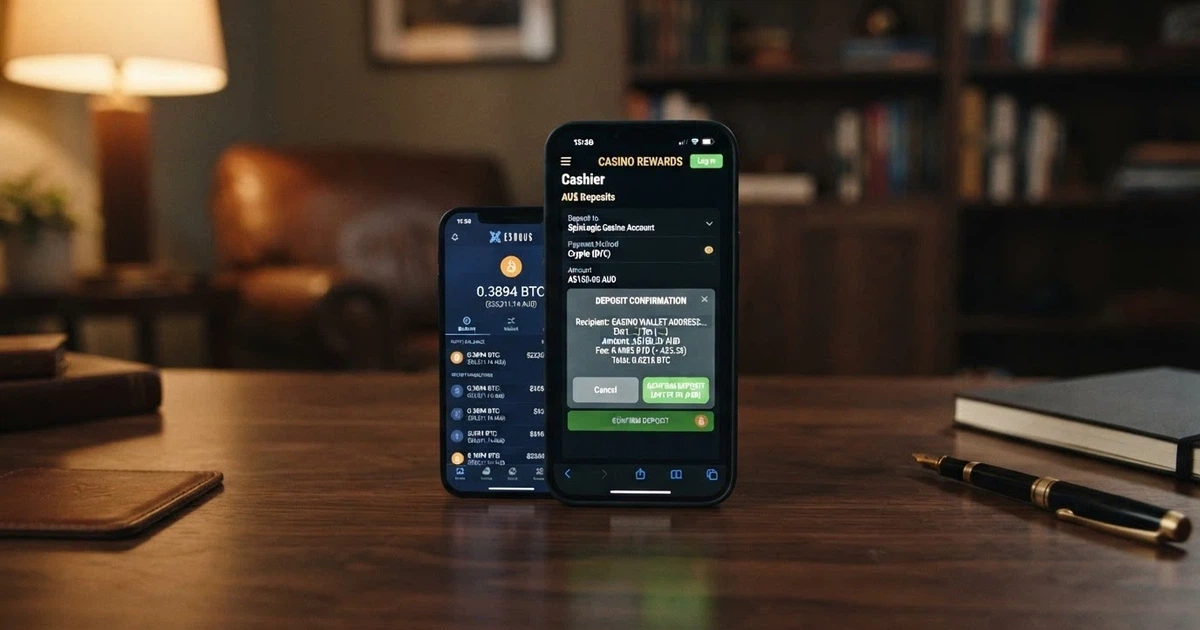
Every casino on this page operates outside Australia. Online casino games, online pokies and in-play betting are prohibited under the Interactive Gambling Act 2001, and no licence for any of it exists anywhere in the country. The Interactive Gambling Amendment (Credit and Other Measures) Act 2023 made crypto a banned payment method for licensed wagering from 11 June 2024, with penalties up to A$247,500 for the operator. Any site asking an Australian for an ETH deposit is, by definition, being served by someone outside Australian rules. The list below is the offshore market that fills that gap.
Verified against the ACMA public register on 18 October 2026; operator terms read from individual review pages and operator-published bonus pages as cited throughout.
Table of Contents
- What “Accepts Ethereum” Actually Means at an Online Casino
- Why Ethereum Casinos Are Reshaping the Way Australians Play
- Ranked: Every Ethereum Casino We Checked for Australian Players in 2026
- Why Your 2026 Ethereum Casino Bonus Looks Bigger Than It Is
- How Ethereum Deposits and Withdrawals Actually Work in 2026
- The Pokies and Table Games Worth Your ETH Right Now
- Live Dealer Tables You Can Fund With Ethereum
- Mobile Ethereum Casinos: What Actually Works on an Australian Phone
- The Privacy Ethereum Casinos Promise — and What They Actually Deliver
- New Ethereum Casinos Worth Watching in 2026
- How to Pick an Ethereum Casino That Won’t Disappear With Your Funds
- Where Australian Law Actually Stands on Offshore Ethereum Casinos
- Responsible Gambling When the Australian Safety Net Doesn’t Cover You
- How We Evaluated Every Ethereum Casino on This Page
- What Australian Players Should Actually Do About Ethereum Casinos in 2026
- Frequently Asked Questions
What “Accepts Ethereum” Actually Means at an Online Casino
Two things get called “Ethereum casino” in the market, and the difference is the difference between a deposit method and a product. A fiat-first casino that has added ETH to its cashier accepts Ethereum the way a pub accepts a particular brand of beer: it pours, takes payment, and the rest of the bar runs on something else. A crypto-native casino runs on-chain throughout: deposits, gameplay, withdrawals, sometimes the random number generation itself. ETH is the second most commonly accepted cryptocurrency at online casinos after Bitcoin, but how it’s used varies enormously.
The distinction matters in three places. First, bonuses: a fiat-first casino that takes ETH may still exclude crypto deposits from its welcome offer, which is the entire reason many Australian players picked the brand. Second, withdrawal speed: a casino that runs on crypto rails can broadcast a payout the moment it approves one; a fiat-first operator with an ETH deposit button typically still processes withdrawals through its own internal queue. Third, the games: crypto-native casinos carry provably fair titles (Crash, Plinko, Dice, Limbo) that don’t exist at fiat-first brands, because they require the on-chain verification model to function.
The Difference Between “Accepts Ethereum” and “Is an Ethereum Casino”
The line between the two is whether ETH changes the architecture or just colours the deposit screen. A casino like SkyCrown lists ten cryptocurrencies in its cashier — Bitcoin, Ethereum, Litecoin, USDT, Dogecoin, Bitcoin Cash, XRP, Cardano, BNB, Tron — and accepts all of them. What it does not do is run its bonus engine on crypto. SkyCrown explicitly excludes crypto deposits from every bonus, including the welcome package. An Australian player depositing in ETH at SkyCrown is paying the same gas and getting none of the matched deposit a fiat player gets. That is a deposit method, not a product.
A crypto-native casino like Stake takes the opposite approach. The brand is built around crypto rails, runs a provably fair originals library that uses server seed, client seed and nonce to let players verify each round independently, and structures its promotional calendar around reloads and cashback rather than a traditional welcome match. The bonus engine is calibrated to the audience: a player depositing ETH already knows what crypto is, and the operator does not need to lure them with a 300% match.
Where the line is fuzzy, the consequences are predictable. A player who reads “accepts Ethereum” and assumes the welcome bonus applies is the player who discovers — after depositing — that crypto deposits do not qualify. That clause is buried in the bonus terms of most fiat-first ETH-accepting brands, and it is the single most common reason Australian players feel short-changed at offshore ETH casinos.
Why Ethereum Casinos Are Reshaping the Way Australians Play
The Australian gambling market has shifted online faster than the regulation that surrounds it. Online gambling participation rose to 56.1% of those who gambled in 2026, and risky gambling — the precursor to harm — climbed from 13.7% in 2024 to 19.4% in 2025. The product itself was banned before that growth happened, and the payment rails have been cut off since 11 June 2024. The offshore ETH casino is what fills the gap, and it does so by being structurally faster, structurally cheaper and structurally less surveilled than anything the licensed market could offer if it were allowed to.
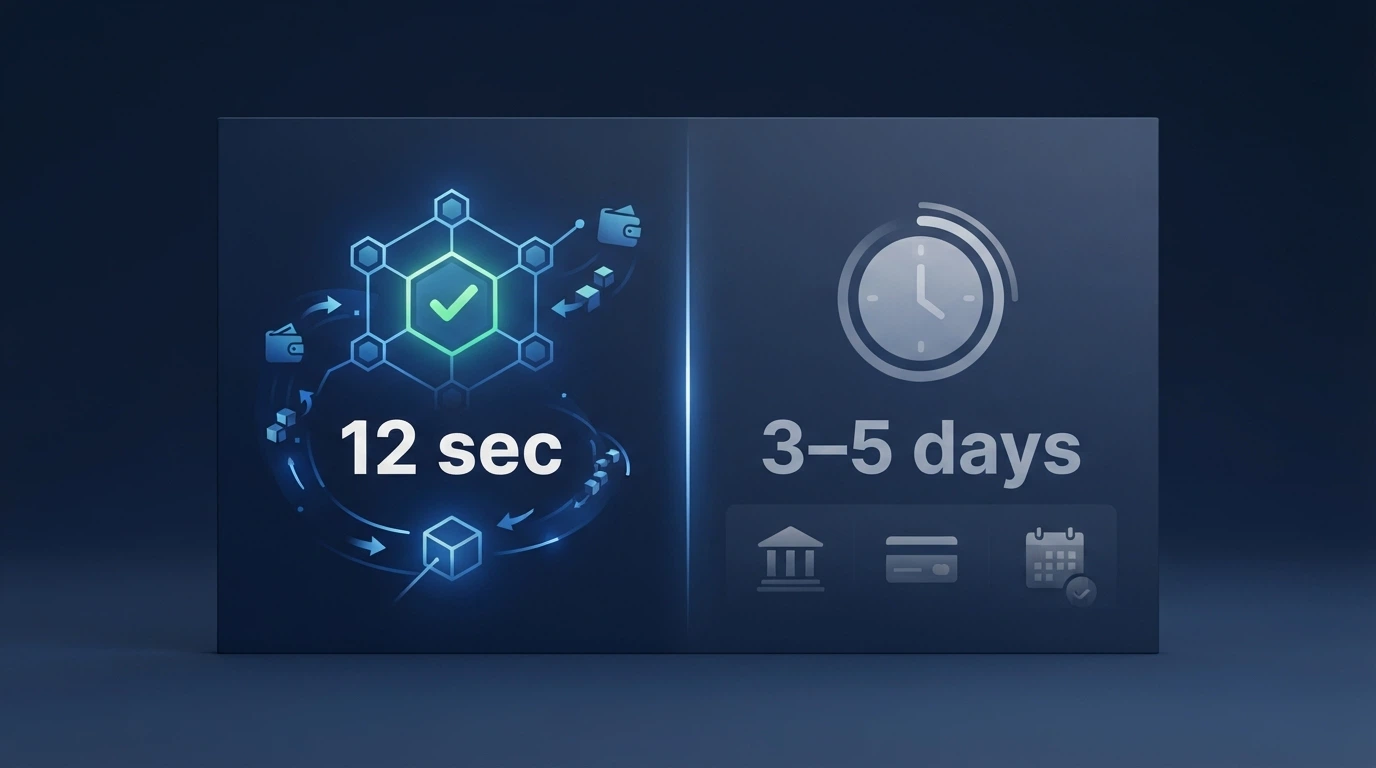
One industry commentator put the gap plainly: “Ethereum isn’t just a crypto buzzword. For Aussie punters, it’s one of the fastest and cheapest ways to fund a gambling account — and the gap between ETH and a bank transfer only widens.” That gap is the whole proposition. A bank transfer to an offshore casino takes three to five business days, often fails on the first attempt, and may be declined outright by an Australian bank’s automated fraud filter. An ETH transfer confirms in about twelve seconds on mainnet, costs a fraction of a dollar in calm conditions, and lands in the casino’s wallet the moment the chain confirms. Speed is not a luxury here; it is the reason the product exists.
How ETH Casinos Compare to Bank Transfer and Card Casinos
The comparison below reads in plain AUD figures and the time a player actually waits. “Instant” in crypto marketing usually means “instant on the chain,” not “instant in your wallet” — the casino still has to approve the withdrawal, and that approval is where most of the wait lives. The figures here come from the casino’s side of the clock, not the on-chain side.
| Payment Method | Typical Speed | Approximate Cost (AUD) | Minimum Withdrawal |
|---|---|---|---|
| ETH mainnet | ~12s confirmation; 5–15 min to cleared funds after casino approval | A$0.10–A$0.20 calm; up to A$8–A$10 at peak congestion | 0.01–0.05 ETH (~A$25–A$125) |
| ETH Layer 2 (Arbitrum, Optimism, Base) | Seconds; faster cleared funds | A$0.001–A$0.05 per transfer | Varies by L2; typically lower than mainnet |
| International bank wire | 3–5 business days | A$15–A$30 bank fee + poor exchange rate | Often A$100+ |
| Card deposit | Instant to fund; withdrawals 1–3 business days | 1–3% card surcharge; some declined outright | Varies by operator |
The cost column tells most of the story. A bank wire to an offshore casino can cost A$15 in bank fees alone, plus a poor exchange rate, plus three to five days of float. An ETH mainnet transfer in calm conditions costs less than a cup of coffee. In congested conditions — when a viral NFT mint is competing for block space — gas can spike to A$8 or A$10, which is still cheaper than the bank wire, and Layer 2 networks keep costs at fractions of a cent throughout. The minimum withdrawal on a bank wire is usually high enough that small wins never leave the casino; on ETH, 0.01 to 0.05 ETH (roughly A$25 to A$125) is the floor.
Trusted Ethereum Casinos: What “Trusted” Can and Cannot Mean Offshore
“Trusted” is the word that does the most damage on this page, because it borrows the connotation of an Australian licence and applies it to a brand that has none. A Curaçao eGaming licence is a real licence — it imposes anti-money-laundering reporting, segregates player funds in some cases, and gives the operator a regulatory address. It does not give an Australian player ACMA complaints recourse, consumer law protection, or a path to BetStop self-exclusion. The operator can be blocked at the DNS level at any time, with a balance still sitting on the account, and the player has no Australian body to call.
What “trusted” can mean, in the offshore market, is narrower and more practical. A track record of paying out without manufactured disputes. Bonus terms published in plain language, with the wagering multiple and the game weighting stated before the player deposits. A history absent from player-blacklist forums, or — more honestly — a history on those forums where the complaints are routine (slow withdrawals, document re-checks) rather than systemic (voided wins, closed accounts, seized balances). None of that is consumer protection in the Australian sense. All of it is the best proxy the offshore market offers, and a player who treats it as a proxy rather than a guarantee avoids the worst surprises.
Ranked: Every Ethereum Casino We Checked for Australian Players in 2026
The table below compares the ten offshore ETH casinos that appear most prominently in the Australian market. The ranking is ordered by what an Australian player actually gets from each: bonus fairness, withdrawal terms, game-provider depth, and the availability of confirmed details. Where research could not confirm a term, the cell carries an em dash. The operator write-ups that follow the table go deeper on each brand.
| Operator | Offshore Licence | Ethereum Accepted | Wagering | Game Providers |
|---|---|---|---|---|
| Rocket Play | Curaçao eGaming | Yes (BTC, ETH, LTC) | 30x–40x | Pragmatic Play, NetEnt, Evolution, Play’n GO, 40+ |
| SkyCrown | Curaçao | Yes (10 cryptos including ETH) | 40x bonus + free spins | Pragmatic Play, NetEnt, Hacksaw, 100+ |
| Royal Reels | Curaçao | Yes (BTC, ETH, USDT, USDC) | 30x–35x bonus only | 40+ providers, 5,400+ pokies |
| Stake | Curaçao | Yes (ETH, BTC, LTC, DOGE, USDT, others) | — | Pragmatic Play, Evolution, Hacksaw, provably fair originals |
| Fair Go | Curaçao eGaming (Deckmedia N.V.) | Yes (BTC, ETH, LTC) | ~30x–40x (exact not published) | RTG (280 games) |
| WinSpirit | Curaçao Antillephone N.V. (Complete Technologies N.V.) | Yes (specific coins not confirmed) | 40x bonus-only | — |
| Scream Casino | — | — | — | — |
| Rainbet | — | — | — | — |
| Bizzo Casino | Curaçao | Yes | — | Multiple; some with adjustable RTP |
| Rocket Casino | — | — | — | — |
The most useful comparison the table doesn’t carry is the gap between brands with published terms and brands without. SkyCrown, Royal Reels, Stake, Fair Go and Rocket Play all have terms that can be read in full before depositing. WinSpirit and Bizzo have some terms confirmed but leave others unverified. Scream, Rainbet and Rocket Casino are present on the AU market-share data but carry almost nothing confirmed this review — a player considering one of them is depositing into a brand whose own terms page may not say what the affiliate review pages claim it says.
Rocket Play
A 300% welcome match up to A$6,000 plus 300 free spins reads like an extraordinary offer until the wagering structure meets it. Rocket Play runs 30x to 40x wagering on most of its bonuses, which puts a A$6,000 bonus at somewhere between A$180,000 and A$240,000 of required turnover before the bonus balance converts to withdrawable cash. The free spins are part of the same package and typically carry their own wagering on the winnings.
The withdrawal ceiling is the second number to look at: A$15,000 per week, A$30,000 per month. A player who hits a significant win during a hot session will wait weeks to clear it. For a casual pokies player, those ceilings are irrelevant. For anyone playing above the casual tier, they are the constraint that defines the operator.
Rocket Play takes Bitcoin, Ethereum and Litecoin for both deposits and withdrawals, and the cashier works in crypto across the board. The game library draws on Pragmatic Play, NetEnt, Evolution, Play’n GO and more than forty other providers, which gives the pokies shelf genuine depth. The bonus engine favours the high-deposit player: the 300% match rewards the A$2,000 first deposit more than the A$200 one, but the wagering volume scales with it. For the small-bankroll player, that bonus structure makes the offer less of a gift and more of a constraint.
SkyCrown
SkyCrown’s welcome package runs to A$8,000 plus 400 free spins across four tiers, with each tier carrying a 40x wagering requirement on the bonus and the free-spin winnings. The match percentages step up across the deposits (120% / 100% / 80% / 150%), and the minimum deposit rises from A$30 on the first tier to A$50 on the fourth. There is a per-tier bonus limit of A$5,000, which caps the cumulative bonus at A$20,000.
The catch is structural, and it is the one that decides whether SkyCrown belongs on an ETH player’s list. SkyCrown limits most of its bonuses to fiat deposits — crypto deposits do not qualify for any bonuses, including the welcome package. An Australian player depositing in ETH at SkyCrown gets the cashier experience, the game library of more than 100 providers, and the ETH payout speed. They do not get the A$8,000 welcome offer. The bonus terms state this explicitly, and it is the single most consequential line in the SkyCrown terms for anyone choosing this brand for its crypto support.
The payout side is where SkyCrown earns its place. Independent testing in June 2026 recorded a USDT TRC20 payout in twelve minutes and an ETH credit in one minute twenty seconds. Those figures are the on-chain side of the clock after casino approval; the casino’s internal processing is what most players actually wait on, and SkyCrown’s queue runs faster than most. For an ETH player who is not chasing bonuses, SkyCrown is a strong operator. For a bonus hunter, it is a brand that punishes the very behaviour the headline number invites.
Royal Reels
Royal Reels runs a three-deposit welcome package that scales in real terms: 100% up to A$500 on the first deposit, 75% up to A$750 on the second, 100% up to A$1,250 on the third. The wagering requirement is 30x to 35x on the bonus only (the deposit is not included in the turnover calculation), and there is a A$5 per-spin cap during bonus clear-down. A A$500 first deposit producing a A$500 bonus requires A$17,500 in wagering at 35x before the bonus balance converts — a substantial volume, but one that the per-spin cap makes manageable rather than punishing.
The terms are published, which is rarer than it should be in this market. The 7-day bonus validity is short — most comparable brands give 14 to 30 days — and it means a casual player who takes the bonus and plays once a week will expire it before clearing it. The A$10 no-deposit bonus after phone verification is a genuine low-stakes entry point, with 30x wagering on the winnings and standard withdrawal rules. The 10-tier VIP program rewards the players who stay, with reload bonuses and cashback that compound the welcome.
The game library is the standout: 5,400+ pokies from 40+ providers. That number is in a different league from the single-studio brands (Fair Go runs 280 games from one provider; Royal Reels runs twenty times that). That range sets Royal Reels apart as the most diverse ETH library in this review, offering the kind of studio variety that single-provider brands simply cannot match.
Stake
Stake is the largest crypto-native brand Australian players actually use, holding 1.28% market share by tracked traffic and ranking among the most-visited casino brands in the country. It is built on Curaçao licensing, runs a provably fair originals library, and accepts Ethereum alongside Bitcoin, Litecoin, Dogecoin, USDT and others. For an Australian player who already lives in the crypto ecosystem, Stake is the most familiar name on this list.
What Stake does not run is a traditional welcome match. The brand’s promotional engine is built around reload bonuses, rakeback, and event-driven campaigns tied to specific games or sports events. A bonus-hunter arriving at Stake from a fiat-first review site’s “best welcome offers” page will find an empty cupboard. The rewards on Stake are for the player who stays and plays through the week, not the one who deposits, clears, and leaves.
The provably fair originals library is the genuine differentiator. Crash, Plinko, Dice, Limbo and other crypto-native titles run on a server seed, client seed and nonce model that lets players verify each round independently. No fiat RNG pokie can offer that transparency. Verifiability takes priority over bonus hunting here; for the player who prefers transparent mechanics over traditional match offers, Stake remains the standout choice.
Fair Go
Fair Go is an Australia-facing brand with a Curaçao eGaming licence managed by Deckmedia N.V. The welcome package is a five-deposit structure: 100% up to A$200 on each of the first five deposits, totalling A$1,000 across the package. The wagering requirement is estimated at 30x to 40x on deposit plus bonus, though the exact terms are not published on the main promotional page, which is itself a flag.
The game library is the limitation. Fair Go runs 280 games from RealTime Gaming (RTG), a single studio with a long Australian-facing history. There is no live dealer section. The pokie catalogue is functional but narrow, and a player used to the 5,000+ title shelves at Royal Reels or SkyCrown will find Fair Go sparse. For the pokies-only player who knows what they like and does not need range, the narrow library is a feature: every game on the shelf is the kind of game Fair Go’s audience wants to play.
Fair Go takes Bitcoin, Ethereum and Litecoin, and it positions itself at the Australian player who has heard of crypto but is not deep in it. The brand has an Australian-style tone, AUD banking throughout, and a familiarity that the more anonymous offshore brands lack. The downside is the gap between the published marketing and the published terms, which a careful player will close before depositing.
WinSpirit
WinSpirit runs a Curaçao Antillephone N.V. licence under Complete Technologies N.V., and holds 1.55% AU market share by tracked traffic — the highest on this list of confirmed operators. The welcome offer carries 40x wagering on the bonus only, which is on the steeper end of the market, and includes max-bet limits during the clear-down period. Game weighting reduces table-game contribution to wagering, which means a blackjack or roulette player will need to wager substantially more volume than a pokie player to clear the same bonus.
What WinSpirit does well is speed on the crypto withdrawal side. Crypto withdrawals are processed faster than bank transfers at most offshore brands, and WinSpirit is no exception. The payout queue is the bottleneck, and the queue runs in a competitive band. The library is not confirmed in detail this review, which is the major gap: a player considering WinSpirit on its 1.55% market share is trusting the audience number, not a confirmed catalogue.
For a player who values market traction over catalogue depth and is comfortable with 40x bonus-only wagering, WinSpirit is a legitimate option. For a player who needs the bonus engine to be favourable on a small bankroll, the 40x multiplier and the game-weighting exclusions make it a harder sell.
Scream Casino
Scream Casino holds 0.99% AU market share by tracked traffic, which is enough to put it on the list and not enough to confirm anything else. Specific details regarding the brand’s licence, welcome bonus, wagering requirements, and Ethereum acceptance remain unverified. The information gap is the review.
For a player considering Scream, the practical move is to verify each of those items on the operator’s own terms page before depositing. The market-share figure says Australians are playing there. The terms page is the only place to find out what they are agreeing to. A 0.99% share is large enough to be a real brand and small enough that a player can find independent feedback from other Australian users on community forums. The research notes one common-sense check: if a brand cannot publish its licence number, its bonus terms and its withdrawal ceiling, the lack of publication is itself information.
Rainbet
Rainbet holds 1.28% AU market share — the same figure as Stake, the largest crypto-native brand on this list. The matching number does not mean matching visibility. Like Scream, Rainbet’s licence, bonus, wagering requirement and Ethereum acceptance remain unverified, and the same logic applies: the traffic is real, the terms are unverified, and a player should confirm them directly on the operator’s published terms before depositing.
The 1.28% market share puts Rainbet in a band where independent user reports should be findable on community forums and review aggregators. A player willing to spend twenty minutes reading those reports before depositing is doing the only diligence that the gap in this review leaves undone. A player who treats the market-share figure as a substitute for confirmed terms is doing the opposite of diligence.
Bizzo Casino
Bizzo runs a Curaçao licence and accepts crypto, but two features make it a different kind of operator. First, some of its games are available in adjustable-RTP versions — the same title can run at 94.5% or 96.5% depending on the operator’s configuration. The two-and-a-half-point spread in return rate is not a rounding error; it is the difference between a game that returns A$96.50 per A$100 wagered and one that returns A$94.50, compounding across every spin. The in-game info panel reveals which version is loaded; the player who does not check it is playing the worse version by default.
Second, the withdrawal ceilings are restrictive on a daily, weekly and monthly basis, and they are denominated in euros rather than AUD. A high-stakes player converting EUR limits to AUD will find the ceiling lower than expected, and the conversion eats further into the effective withdrawal. Crypto and e-wallet deposits may be excluded from bonus eligibility, which is the same pattern SkyCrown uses: take the deposit, decline the bonus.
For a player who checks the RTP panel on every game and plays within the EUR-denominated ceilings, Bizzo is a legitimate option. For a player who assumes every pokie runs at the provider’s headline return rate, Bizzo is a quiet cost that compounds without being visible.
Rocket Casino
Rocket Casino holds 0.57% AU market share by tracked traffic, and is distinct from Rocket Play — the two share a first word and little else. Specific details regarding the brand’s licence, welcome bonus, wagering requirements, and Ethereum acceptance remain unverified. The 0.57% figure puts Rocket Casino in the same information-gap category as Scream and Rainbet, and the same advice applies: confirm each item on the operator’s own terms page before depositing, and treat the absence of confirmed details as a signal to verify rather than a reason to walk away.
The distinction from Rocket Play matters. A player searching for either brand will see both, and the temptation to assume they are related is strong. They are not. Rocket Play is a Curaçao eGaming-licensed operator with a published 300% welcome offer; Rocket Casino is a low-traffic brand whose published terms this review could not confirm. The names rhyme; the offerings do not.
Why Your 2026 Ethereum Casino Bonus Looks Bigger Than It Is
A 300% match up to A$6,000 reads like free money until the wagering multiple is read. At 30x to 40x, that A$6,000 bonus requires between A$180,000 and A$240,000 in turnover before the bonus balance converts to withdrawable cash. The headline number is the marketing. The wagering volume is the cost. Most ETH casino bonuses, viewed in those terms, are negative-expectation propositions even before the house edge is applied to the wagering itself.

The market spans a wide range. At the fairer end, a 35x bonus-only wagering requirement with a A$10 per-spin bet cap and a 30-day expiry gives a player a real chance of clearing the bonus in a session rate that does not crush the bankroll. At the hostile end, 50x bonus-plus-deposit wagering with a A$2.50 bet cap and a “crypto deposits do not qualify” clause turns a headline bonus into a deposit that returns no bonus at all. The published wagering multiple is the single most important number on the bonus page, and the second most important is whether the deposit itself counts toward the turnover.
Welcome Match Bonuses: The Headline vs the Fine Print
A 100% match on a A$500 deposit creates a A$500 bonus subject to 35x bonus-only wagering at Royal Reels, which means A$17,500 in required turnover before the A$500 converts. The A$5 per-spin cap means the player is making 3,500 spins at the minimum qualifying stake to clear the requirement. At a 96% representative return rate on the pokies, the expected loss on that turnover is A$700 — meaning the bonus costs the player more in expected value than it pays out. The bonus is a marketing tool, not a gift, and the math explains why.
The structure varies meaningfully across operators. Some count only the bonus toward wagering (bonus-only, more favourable to the player); some count both deposit and bonus (deposit-plus-bonus, which doubles the turnover requirement). The free-spin packages typically carry their own wagering on the winnings, often at the same multiple as the cash bonus. A welcome package totalling A$2,500 in bonus funds plus 200 free spins is not the same value as the headline implies once each component’s wagering is calculated separately.
No-Deposit Bonuses and Free Spins That Take ETH
Genuine no-deposit bonuses at ETH casinos are scarce, and the handful that exist carry terms that turn the word “free” into a stretch. A A$10 no-deposit bonus at Royal Reels comes with 30x wagering on the winnings and a withdrawal maximum that caps how much of those winnings actually leave the casino. A $50 to $100 max cashout is typical, with 50x or higher wagering, and a verifying ETH deposit required before the withdrawal can be processed — which makes “no deposit” a misnomer, because the player deposits to collect.
Free-spin packages are the more common form of bonus at ETH casinos, and they carry the same structure. The winnings from free spins are bonus funds, subject to wagering at the same multiple as the cash bonus. A 200 free-spin welcome component is not 200 free chances to win real money; it is 200 chances to win bonus money, which then needs to be wagered before it becomes withdrawable. The crypto-specific boosts — 10% to 25% extra for depositing in ETH instead of fiat at some operators — are the more honest version of the same mechanic, because they apply to the player’s own deposit rather than promising funds that come with strings.
The expected cost of clearing the Royal Reels first-deposit bonus illustrates the point. A A$500 deposit matched 100% produces a A$500 bonus subject to 35x bonus-only wagering, requiring A$17,500 in turnover. Assuming an average return rate of 96% across the pokies used to clear the requirement, the expected loss on that turnover is A$700 — larger than the bonus itself. The bonus costs the player more than it returns. The house edge applies to the turnover, not to the bonus headline.
How Ethereum Deposits and Withdrawals Actually Work in 2026
Funding an ETH casino is not a bank transfer. It is an on-chain transaction with its own cost structure, its own confirmation logic, and its own failure modes. The deposit flow starts in the player’s wallet — a software wallet like MetaMask, a hardware wallet like a Ledger, or an exchange account — and ends at the casino’s deposit address, which the cashier page generates per transaction. The wallet signs the transaction, the network broadcasts it, and the casino’s deposit watcher detects the confirmation after a number of blocks.
Confirmation speed is the first number to internalise. Ethereum mainnet confirms a transaction in about twelve seconds, with calm-condition gas fees of A$0.10 to A$0.20. In congested periods — during a popular NFT mint or a market-moving event — gas can spike to A$8 to A$10, which is still cheaper than an international bank wire but no longer trivial. Layer 2 networks (Arbitrum, Optimism, Base) confirm in seconds and cost a fraction of a cent per transfer, but not every casino accepts L2 deposits. The player who sends ETH mainnet to a casino that only credits L2 deposits will see the funds arrive but not credit, and the recovery is a support ticket, not an automatic refund.
Deposit Methods: Mainnet, Layer 2 and What Each Costs You
Mainnet is the default and the most widely accepted. It costs A$0.10 to A$0.20 in calm conditions, A$1 to A$10 across the realistic range, and clears in about twelve seconds. L2 networks (Arbitrum, Optimism, Base, Polygon) cost A$0.001 to A$0.05 per transfer post-Dencun, which is essentially free, and confirm faster than mainnet. The casino’s cashier page specifies which networks it accepts; sending on a network the casino does not monitor is the most common cause of “missing deposit” support tickets.
The minimum withdrawal at ETH casinos typically ranges from 0.01 ETH to 0.05 ETH (roughly A$25 to A$125), and the casino fee is typically zero for crypto withdrawals. The network fee is paid by the player at the point of broadcast, and it varies with congestion. A player withdrawing during a quiet network window pays a few cents; a player withdrawing during a busy window may pay several dollars. The choice of when to withdraw is itself a small optimisation, and L2 networks make it largely irrelevant.
How Fast You Actually Get Your Money
“Instant withdrawal” is a casino marketing term that hides a pipeline with three distinct stages: casino approval, on-chain broadcast, and wallet confirmation. Casino approval is where most of the wait lives — a casino that processes payouts manually will sit on a withdrawal for hours or days regardless of how fast the chain moves. On-chain broadcast is the moment the casino signs and sends the transaction, and it is usually a button click. Wallet confirmation is the twelve seconds (mainnet) or fewer (L2) for the network to confirm the transfer.
SkyCrown’s June 2026 testing illustrates the speed ceiling: a USDT TRC20 payout cleared in twelve minutes and an ETH credit in one minute twenty seconds. Those figures include casino processing. A player at an operator with a slower approval queue will wait hours, not minutes, even on the same chain. The on-chain part of the equation is fast and getting faster. The casino-side part is the variable the player cannot see until they have a withdrawal pending.
The Pokies and Table Games Worth Your ETH Right Now
The game shelf at an ETH casino is the part of the experience that varies most between operators and most within them. A player depositing at Royal Reels finds 5,400+ pokies from 40+ providers; a player at Fair Go finds 280 games from one studio (RTG). The range from one end to the other is wider than the range in welcome bonuses, and the difference is what the player spends hours looking at. The shelf at SkyCrown runs to more than 100 providers; the shelf at WinSpirit is not confirmed this review.

The catch is RTP configuration. Offshore casinos commonly offer adjustable-RTP versions of popular pokies — a familiar slot can run at 94% or even 92% instead of the provider’s default 96.5%. The two-and-a-half-point spread is invisible to the player who does not check. The in-game info panel reveals which version is loaded, and the player who does not open it is playing the worse version by default. The house edge is the same game, configured differently, with the player funding the gap.
Australian Pokies That Take Ethereum Deposits
The pokies shelf at a large ETH casino spans the studios Australian players recognise — Pragmatic Play, NetEnt, Hacksaw Gaming, Play’n GO, Push Gaming — and the studios most Australian players have not heard of, which are often where the higher-volatility titles sit. Sugar Rush 1000 (Pragmatic Play) is a useful benchmark: 96.53% RTP, very high volatility (5/5), 25,000x max win, 7×7 grid with cluster pays. That combination of return rate, variance and ceiling is the upper end of what the modern pokie format offers, and it is the kind of title that makes the ETH casino shelf worth browsing.
The RTP variance across providers is wider than most players realise. A 96.5% pokie and a 94% pokie, played at the same stake for the same duration, return meaningfully different amounts — and the difference is invisible without checking the info panel. The provider’s headline RTP is the maximum, not the floor. The floor is whatever the operator configures. The player who treats the in-game panel as a mandatory pre-spin check closes the gap.
Table Games and provably fair Crypto Originals
Blackjack and roulette are present at most large ETH casinos, alongside baccarat and a range of game-show titles from Evolution and Pragmatic Play Live. The standard table games run on the same RNG as fiat casinos, with the same house edges (blackjack around 0.5% with basic strategy, roulette around 2.7% on a European wheel). What ETH casinos add is a category that fiat casinos cannot: provably fair crypto-native games.
Crash, Plinko, Dice and Limbo run on a server seed, client seed and nonce model that lets players verify each round independently. The casino commits to a server seed (hashed, so it cannot be changed after the fact), the player provides a client seed, and the result is derived from both plus a nonce using a verifiable algorithm (typically SHA256). After the round, the player can check that the server seed matches the pre-round hash, confirming the casino did not alter the result. Standard RNG pokies cannot offer this. No third-party testing lab audit can offer this, because the audit is a snapshot rather than a per-round verification. For a player who values mathematical proof over institutional trust, provably fair games are the genuine technical edge of the ETH casino format.
Game weighting is the practical cost of playing table games during a bonus clear-down. Most operators count table-game wagering at 10% to 20% of the cash-bonus rate, meaning a blackjack player needs to wager five to ten times the volume of a pokie player to clear the same bonus. The bonus terms state the weighting; the player who does not read it is grinding a bonus that does not move.
Live Dealer Tables You Can Fund With Ethereum
The live dealer studios at ETH casinos are the same studios that serve fiat casinos — Evolution, Pragmatic Play Live — streaming from the same studios in Latvia, Malta, Romania and the Philippines. The dealer does not know whether the player deposited in ETH or in euros. The studio does not care what currency funded the buy-in. The ETH deposit changes only the funding speed and, in some cases, the bonus eligibility for the live-dealer session.
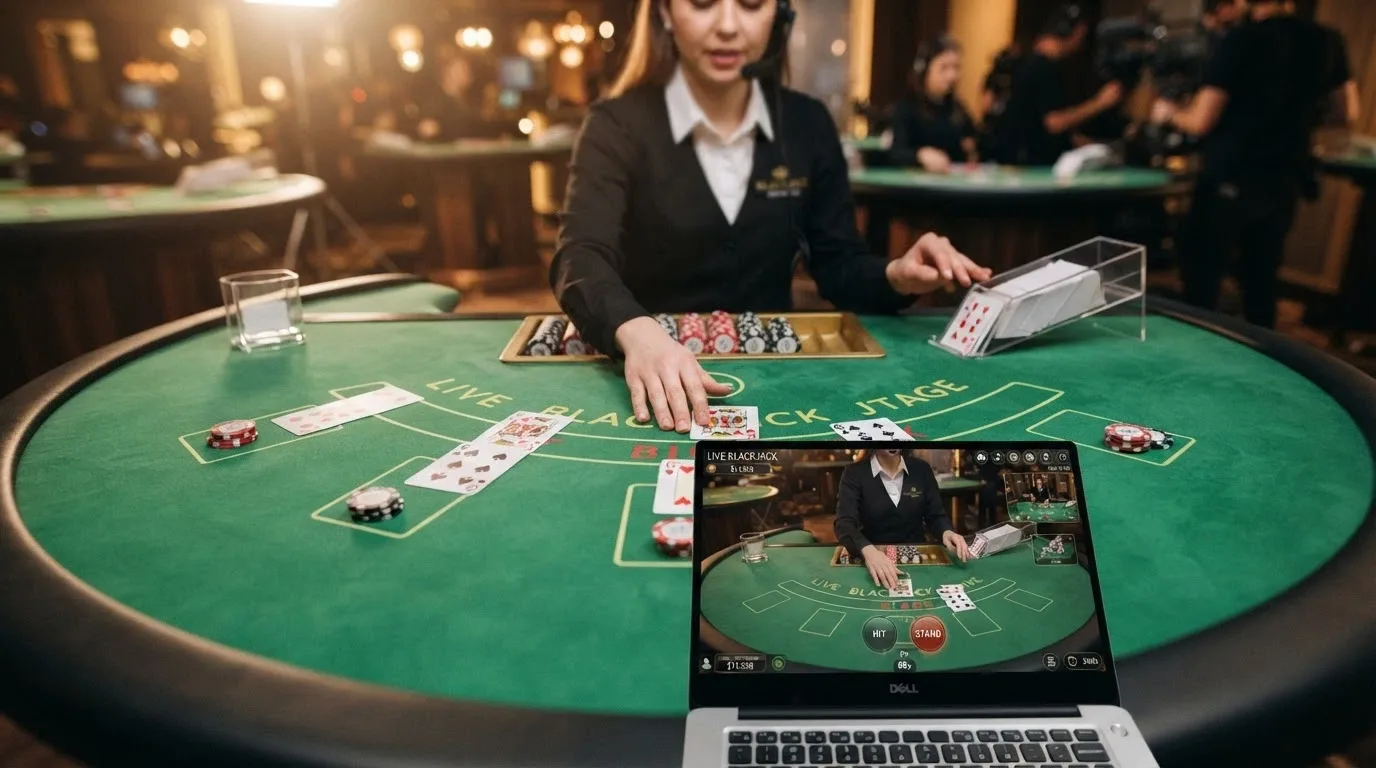
The game types are the standard live catalogue: blackjack, roulette, baccarat, craps, and the game-show titles (Crazy Time, Monopoly Live, Mega Wheel) that have become the most-watched live games globally. The minimum stakes vary by table, from low-roller’s A$1 blackjack to high-roller’s A$500+ baccarat. A player funding with ETH and converting to AUD at the cashier will see the buy-in in AUD terms; the on-chain side is invisible once the table is loaded.
Live Dealer Platforms and What They Cost to Play With ETH
The minimum bets at live tables vary by operator and by table. A standard Evolution blackjack table runs from A$1 to A$5 minimum, with the high-roller tables starting at A$50 or A$100. The Pragmatic Play Live lobby sits at similar minimums. A player funding with ETH and playing at A$5 blackjack tables is converting A$5 of ETH to chips per round, with the ETH-to-AUD conversion happening at the cashier. The mobile live-dealer experience on an Australian phone connection depends on the studio’s stream quality and the network latency; Evolution’s streams run at 30fps or higher and tolerate 4G connections well. A 3G connection in a regional area may buffer.
The interaction between ETH deposits and live-dealer bonus terms follows the same pattern as the rest of the bonus engine. Where the casino excludes crypto deposits from bonuses, the live-dealer welcome does not apply to an ETH-funded player. Where the casino counts table games at reduced weighting, the live-dealer clear-down is slower than the pokie clear-down. Both are operator decisions, published in the terms page, and both are the kind of detail that turns a headline offer into its real cost.
Mobile Ethereum Casinos: What Actually Works on an Australian Phone
The mobile experience at an offshore ETH casino is, in most cases, a responsive browser site rather than a downloadable app. The game lobby, the cashier, the live-dealer stream and the bonus page all run in the mobile browser, with the wallet interaction happening in a separate app or browser extension. A player who arrives expecting a polished iOS or Android application will find a different product: a website that scales to the phone screen, with the cashier adapted for touch input and the live-dealer stream oriented vertically.
The browser-based model has practical advantages. There is nothing to download, nothing to update, and no app-store restrictions on gambling content that have pushed some operators off the iOS App Store entirely. The wallet is separate (MetaMask mobile, Trust Wallet, the exchange’s own app), which adds a step but keeps the private keys in the player’s control. The live-dealer stream runs in the browser’s video player, with the same latency and resolution as on desktop.
Depositing ETH From a Mobile Wallet
The mobile deposit path runs from the wallet app to the casino’s cashier, usually through a QR code or a copied wallet address. The player opens the casino’s deposit page in the mobile browser, copies the casino’s ETH address or scans the QR code, opens the wallet app, pastes or confirms, and signs the transaction. The whole flow takes under a minute for a player who has done it before, and the on-chain confirmation is the same twelve seconds (mainnet) or fewer (L2) as on desktop.
The break points are predictable. Some exchanges block withdrawals to addresses flagged as gambling-related, which means a player funding from a centralised exchange rather than a self-custody wallet may have the withdrawal declined at the exchange level rather than blocked at the casino. The fix is a self-custody wallet (MetaMask, Trust Wallet, a hardware wallet) that does not arbitrate where the funds go. The other break point is the L2 network selection: a wallet set to Arbitrum by default will not send to a casino expecting mainnet, and the mismatch is not always visible until the funds arrive at a different address than the one the casino monitors.
The Privacy Ethereum Casinos Promise — and What They Actually Deliver
“No KYC” is the marketing claim that most often fails the test of withdrawal. A casino that asks for nothing but an email address at sign-up is not waiving its right to demand documents later; it is deferring the verification to the moment the player asks for money. The deposit is frictionless. The withdrawal is the cliff, and the player discovers at that point what “no KYC” actually meant: no KYC until you try to leave.
Provably fair gaming is the genuine transparency advantage, and it is worth being specific about what it verifies and what it does not. The server seed, client seed and nonce model proves that the casino did not alter the result of a specific round after seeing the player’s bet. It does not prove that the game itself is fair in the broader sense — that the house edge is what the operator claims, that the RTP configuration is what the player assumes, that the jackpot is payable when triggered. The verification is per-round and per-game; the rest of the casino’s operation is not provably fair, only verifiable by other means (operator reputation, community feedback, third-party testing of selected games).
No-KYC Casinos: The Trade-Off You Are Actually Making
The KYC-later model is standard in the offshore market. The casino takes deposits without documents because asking for documents at sign-up costs them customers, and the customer acquisition cost of a player who never deposits is zero. The casino demands documents at withdrawal because the payment-processor risk, the anti-money-laundering reporting obligations, and the practical exposure to chargebacks all concentrate at the payout end.
The player who wants privacy is making a calculation: the absence of KYC at sign-up is real, and the absence of a regulatory backstop is also real. No Australian consumer protection law covers the transaction. No ACMA complaints process applies. No BetStop self-exclusion covers the operator. The casino can refuse a withdrawal, void a win, or close the account, and the player has no Australian body to call. The privacy is genuine. The protection is absent, and the trade is the player’s to make with eyes open.
Provably Fair: The One Thing ETH Casinos Do That Fiat Casinos Cannot
The provably fair model is worth understanding in detail because it is the single technical feature that ETH casinos offer and fiat casinos cannot replicate. The model works in three parts: the server seed, which the casino generates and hashes before the round; the client seed, which the player provides; and the nonce, which increments with each round. The result is derived from all three using a verifiable algorithm (typically SHA256), and after the round the casino reveals the unhashed server seed. The player can verify that the revealed seed matches the pre-round hash, confirming the casino did not change it after the round.
The games that run on this model are the crypto-native originals: Crash, Plinko, Dice, Limbo, and the variants built around the same architecture. The player verifies each round on the casino’s own verification page, which shows the seeds, the nonce and the algorithm output. A mismatch — a revealed server seed that does not hash back to the pre-round value — is unambiguous evidence of a tampered round. Standard RNG pokies cannot offer this; their fairness rests on third-party testing lab audits (eCOGRA, GLI, iTech Labs) that snapshot the game at a point in time and certify the configuration. The audit is institutional trust. The provably fair model is mathematical trust. The two are not equivalent, and the player who values the second over the first is the player the ETH casino format is built for.
New Ethereum Casinos Worth Watching in 2026
The “new casino” category in the offshore ETH market is harder to evaluate than the established brands, because the absence of track record is the definition. A launch in the last six to twelve months may have a modern interface, a generous welcome offer, and a Curaçao licence number on the footer — and none of that tells the player whether the operator pays out, whether the bonus terms are honoured at withdrawal, or whether the brand will still exist in a year.
The assessment criteria for a new entrant are the same as for any offshore brand, applied with extra weight because the track record is short. Confirm the licence number against the Curaçao eGaming public register or the Antillephone N.V. validation page. Read the bonus terms in full, including the game-weighting table and the max-bashout clause. Search player forums for the brand name plus “withdrawal,” “verification,” and “refused” — the absence of complaints is informational; the presence of a pattern of complaints is a stop signal. Test a small withdrawal before depositing a large amount. The first withdrawal is the one that reveals whether the operator pays; everything before it is marketing.
How to Pick an Ethereum Casino That Won’t Disappear With Your Funds
Five checks, each one independent, before a single ETH leaves the wallet. None of them takes more than a few minutes, and the player who skips any one of them is the player who finds the gap later.
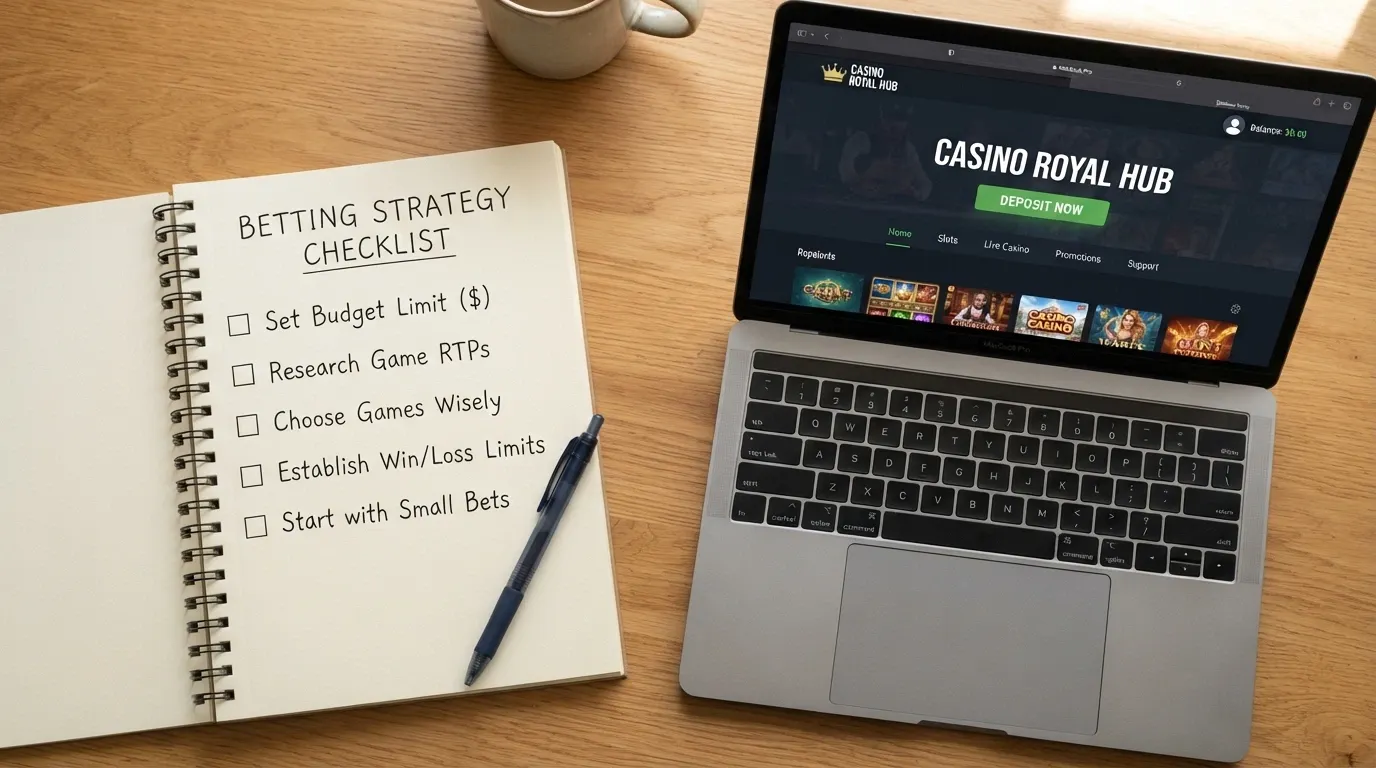
- Licence. Confirm the licence number on the operator’s footer against the public register of the issuing authority (Curaçao eGaming, Curaçao Antillephone N.V., or Anjouan). The licence is not Australian — no Australian online casino licence exists — but the offshore licence gives a regulatory address and a complaints path that the absence of one does not.
- Terms. Read the bonus terms in full: wagering multiple, deposit-included-or-not, game weighting, max bet during clear-down, bonus validity, max cashout. The published terms are the contract; the marketing is not.
- Payout record. Search the operator name plus “withdrawal problems,” “refused payout,” and “verification” on player forums. The pattern of complaints (or its absence) is the closest thing to a track record in a market without consumer protection law.
- RTP settings. Open two or three games in the lobby and check the in-game info panel for the RTP. If the same title shows 94% instead of the provider’s 96.5%, the operator is running the worse configuration, and the house edge is wider than the marketing implies.
- Community reputation. Read recent (last 90 days) threads on community forums. Slow withdrawals are normal; refunded withdrawals are acceptable; refused withdrawals with seized balances are the stop signal.
Skipping any one of these is how players lose funds. None of them is a guarantee — the offshore market has no consumer protection backstop — but together they reduce the chance of a bad outcome to the lowest level the market allows.
Where Australian Law Actually Stands on Offshore Ethereum Casinos
The Interactive Gambling Act 2001 makes it an offence for any provider to offer online casino games, online pokies or in-play sports betting to a person in Australia. There is no licence for online casino anywhere in the country — not federally, not in any state or territory. The prohibition is on the provider. The player in Australia is not prosecuted. Using an offshore casino means no Australian consumer protection, no ACMA complaints recourse, no BetStop self-exclusion coverage, and no recourse if the operator refuses a withdrawal, voids a win, or closes the account.
The credit and crypto payment ban, effective 11 June 2024 under the Interactive Gambling Amendment (Credit and Other Measures) Act 2023, makes crypto a banned payment for licensed wagering. Operators face penalties up to A$247,500 for non-compliance. An Australian being asked for an ETH deposit by a gambling site is being served by someone outside the Australian rules. The ACMA has had 1,564 illegal gambling and affiliate websites blocked by Australian ISPs since November 2019, and more than 225 illegal services have withdrawn from the Australian market since 2017. The blocking is DNS-level, and the operator can be removed from Australian access at any time, with player balances still on the platform.
What the 2026 Gambling Reforms Mean for Offshore Casino Players
The Interactive Gambling Amendment (Gambling Reform) Bill 2026 passed Parliament on 19 August 2026, with its measures commencing on 1 January 2026. The changes tighten the regulatory net around offshore gambling without directly changing the player’s legal position — the IGA already prohibits the provider, not the player. What changes is the practical infrastructure around the prohibition.
From 1 January 2026, banks and payment providers gain express authority to block transactions to illegal gambling operators. An Australian player funding an offshore casino from a domestic bank account may find the transaction declined at the bank level, and the bank’s refusal is not a casino-side issue but a payment-rail issue. Advertising restrictions tighten: broadcast television is limited to three wagering ads per hour between 6:00 am and 8:30 pm, with a complete ban during live sport broadcasts in those hours. Athletes, celebrities and influencers are barred from promoting wagering products. Wagering ads are banned inside sports venues and on players’ and officials’ uniforms. Online ads are restricted to logged-in 18+ users with opt-out. Direct marketing of inducements is prohibited for 14 days after sign-up and three months after BetStop deregistration. Online keno — the “pocket pokies” format — is banned, along with harmful emerging lottery products. None of this makes the offshore casino legal. All of it makes the surrounding environment more hostile to the offshore operator, and to the player using one.
Why BetStop Cannot Protect You at an Offshore Casino
BetStop — the National Self-Exclusion Register — launched on 21 August 2023 and is one of the strongest self-exclusion tools in any gambling market. A single registration excludes a person from every Australian-licensed online and phone wagering service, all approximately 150 of them, in a single step. The licensed providers must close the person’s accounts, stop marketing to them, and refuse to let them place a bet. As of 31 December 2025, 54,859 people had registered, with 35,135 active exclusions.
The ACMA’s description of the system is precise: “If you self-exclude, you will be excluded from all of the approximately 150 licensed wagering providers in Australia. These wagering providers will be required to close all your betting accounts and must not: let you place a bet, let you open a new account, send you marketing messages.” That coverage is comprehensive within the licensed market. It is also exactly the boundary at which it stops. BetStop binds Australian-licensed wagering services only. An offshore casino is not licensed in Australia, is not connected to the register, and will keep accepting a self-excluded person’s money. The player who registers on BetStop and then deposits at an offshore ETH casino has not self-excluded from the offshore casino; they have self-excluded from the licensed market that already excluded them from the offshore casino. The two systems do not overlap, and the gap is the offshore casino.
Responsible Gambling When the Australian Safety Net Doesn’t Cover You
The Australian safety net is built for the licensed market, and the offshore market is outside it. BetStop does not reach offshore casinos. ACMA complaints do not apply. Consumer protection law does not cover the transaction. What still works is the help infrastructure, the practical self-limits the player sets for themselves, and the honest assessment of what the activity is costing.
The National Gambling Helpline — 1800 858 858 — is free, confidential and staffed 24 hours a day, seven days a week. It is the one number that works regardless of whether the casino is licensed or offshore. Gambling Help Online (gamblinghelponline.org.au) provides free 24/7 chat and email counselling for people affected by their own or someone else’s gambling. Both services are funded by the Australian government and operate independently of any casino operator.
The numbers behind the help line are worth knowing. About 2.1% of Australian adults — roughly 430,000 people — experience problem gambling, and the Australian Institute of Health and Welfare put high-risk gambling at 1.8% in 2022. Roy Morgan’s 2026 research puts 15.1% of the Australian adult population (an estimated 3.32 million people) at some level of gambling harm, with 13.0% harmed from their own gambling and 5.4% from other people’s gambling. Risky gambling rose from 13.7% in 2024 to 19.4% in 2025. Online gambling participation rose to 56.1% of those who gambled. The offshore ETH casino is part of the environment in which those numbers move, and the help line is the part of the Australian system that still answers when the offshore operator does not.
For a player who chooses to keep playing at an offshore ETH casino, the practical self-limits are the ones set in the wallet, not the casino. A hardware wallet with a fixed balance creates a hard ceiling on what can be deposited, because the funds have to be moved to a hot wallet before they can be sent to the casino. A separate “gambling” wallet with a capped balance and no path to refill without a deliberate action makes the cost of each deposit a conscious decision. The casino’s own deposit limits are operator-side and can be raised at the player’s request; the wallet’s balance cap is structural and cannot be raised without a transfer from cold storage. The two are not equivalent, and the second is the one that holds when the first does not.
How We Evaluated Every Ethereum Casino on This Page
The sources informing this page were the ACMA public register for the legality framework, individual operator terms pages for the bonus and wagering data, the BLASK BRANDS market-share tracking for the AU traffic figures, and independent review and testing sites for the payout-speed data. The IGA framework is the Australian legal backdrop, and the operator terms were read from the operator’s own published pages where available, with the individual review sources cited inline.
The criteria for inclusion in the ranking were: (1) the operator accepts Ethereum as a deposit and withdrawal method, (2) the operator is accessible to Australian players, and (3) the operator appears on AU market-share tracking data or surfaces prominently in ETH casino search results for the Australian market. The ranking order is informed by what an Australian player gets from each brand: published terms, game-provider depth, withdrawal speed, and the availability of confirmed details. The ranking does not measure customer satisfaction, payout reliability over time, or the operator’s financial position — those are inputs that the offshore market does not make auditable, and the ranking reflects that gap.
What the ranking does not measure is the most important thing. It does not measure whether a casino will pay out a specific player’s specific withdrawal, because no public data source captures that. It does not measure whether the operator will still exist in a year, because the offshore market has no published solvency disclosure. It does not measure whether the bonus terms will be honoured exactly as published at the moment of withdrawal, because the gap between published terms and applied terms is the single most common source of player complaints in the offshore market. The ranking is a starting point, not a guarantee, and the player who treats it as the latter is the player for whom the offshore market has no protection.
What Australian Players Should Actually Do About Ethereum Casinos in 2026
The verdict is a trade, and the trade is honest. ETH casinos are fast, cheap, and offshore. Every one of those three things cuts both ways. The speed is real — twelve seconds to confirmation, minutes to a cleared withdrawal at the operators that process quickly. The cheapness is real — fractions of a cent on L2, a dollar or two on mainnet, against a bank wire’s A$15 to A$30 plus three to five days. The offshore status is also real — no Australian licence, no ACMA recourse, no BetStop coverage, no consumer law shield, and a regulator (Curaçao eGaming or similar) that is a complaints address rather than a protection regime.
The player profile for whom an ETH casino makes sense is a player who has read the offshore status, accepted the absence of Australian protection, and is choosing the brand for reasons that survive the trade — speed on a specific withdrawal, a specific game not available elsewhere, a provably fair original that the player values over institutional trust. The player profile for whom an ETH casino does not make sense is a player who is depositing on the strength of a 300% welcome bonus without reading the 40x wagering, who is sending ETH to a brand whose licence cannot be confirmed, or who is treating the offshore casino as functionally equivalent to a licensed Australian operator. The product is the same shape; the protection is not.
Four non-negotiables before depositing. Confirm the licence number against the public register of the issuing authority. Read the bonus terms in full, including the wagering multiple, the deposit-included-or-not clause, the game weighting, and the max cashout. Open two or three games and check the in-game RTP panel — if the same title shows 94% instead of 96.5%, the operator is running the worse configuration. Set the deposit limit in the wallet, not the casino, so the ceiling is structural rather than operator-set. None of these four steps is a guarantee. All four together are the closest the offshore market comes to one, and the player who skips any of them is the player the market is built to extract from.
The closing judgement names no operator, because naming one would be a recommendation the audit cannot stand behind. The page has described what each brand offers, what its terms say, and what the gaps in the published information mean. The decision is the player’s, and the cost of getting it wrong is the player’s. The Australian system that would have absorbed that cost — the licensed operator, the ACMA complaint, the BetStop exclusion, the consumer law — does not extend to the offshore ETH casino, and the player who crosses into the offshore market crosses out of it alone.
Frequently Asked Questions
How fast are Ethereum withdrawals compared to bank transfers at online casinos?
Ethereum withdrawals clear in roughly five to fifteen minutes on mainnet after casino approval, faster on Layer 2 networks, with the casino’s own processing time as the main variable. A bank transfer to an offshore casino typically takes three to five business days and may be declined outright by an Australian bank’s fraud filter. The on-chain side of the ETH withdrawal is the fast part; the casino’s approval queue is what most players actually wait on.
Are Ethereum casino winnings taxable in Australia?
No. Gambling winnings are not assessable income under section 6-5 of the ITAA 1997, and gambling losses are not deductible under section 8-1, unless the person is carrying on a business of betting or gambling. The ATO does not require Australian players to declare offshore casino winnings, and most players have no reporting obligation on the amounts.
What are the gas fees for depositing ETH at an online casino?
Ethereum mainnet gas fees run from A$0.10 to A$0.20 in calm conditions, and can spike to A$8 to A$10 at peak congestion. Layer 2 networks (Arbitrum, Optimism, Base) cost A$0.001 to A$0.05 per transfer post-Dencun, which is essentially free. The minimum ETH withdrawal at most casinos is 0.01 to 0.05 ETH, roughly A$25 to A$125, and the casino fee is typically zero on crypto.
Can I play pokies with Ethereum deposits on my mobile?
Yes. The offshore ETH casino experience runs in the mobile browser, with the wallet interaction in a separate app (MetaMask, Trust Wallet, or an exchange). The deposit path is a QR code or copied wallet address, the cashier processes in the browser, and the game lobby is responsive to phone screens. No app download is required at most operators, and the live-dealer streams run on 4G connections with the same resolution as on desktop.
What happens if an Ethereum casino refuses to pay out my winnings?
The casino’s complaints process is the first step, and the Curaçao eGaming or Anjouan licensing authority is the second. Beyond that, there is no Australian body to contact — ACMA does not have jurisdiction over offshore operators, and Australian consumer protection law does not cover the transaction. The practical protection is the diligence done before depositing: confirming the licence, reading the terms, checking the operator’s payout reputation on community forums, and testing a small withdrawal before committing a large balance. The offshore market has no safety net beyond the player’s own preparation.