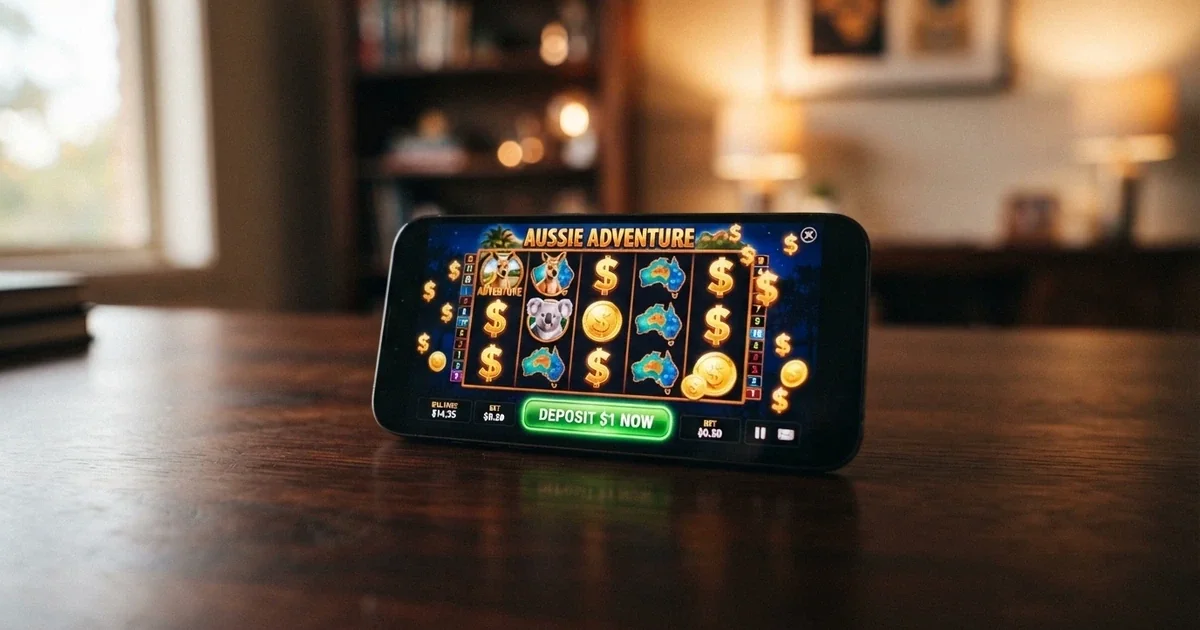
Finding a $1 Minimum Deposit Casino in Australia: What Actually Works in 2026
 Available in AU
The $1 headline is a marketing hook, not a settled feature. The realistic deposit floor for an Australian player sitting at home with PayID open is A$5–A$10. The floor for a Neosurf voucher or a Visa debit card is higher. The only channels that genuinely clear A$1 are crypto, and crypto is the one payment method the Australian regulator has banned for licensed wagering since June 2024. Every casino that promotes a dollar deposit to Australians is, by definition, an offshore operator operating outside Australian rules. That is the shape of this market, and any reading of it that papers over the gap between headline and floor is selling the reader a fiction.

The dollar itself is real enough. It buys roughly 100 spins on Book of Dead at the one-cent minimum, or 10 spins on Starburst at ten cents, or ten spins on half a dozen other popular pokies. What it does not buy is a cashout. Most AU-facing offshore casinos set their minimum withdrawal at A$25–A$50, sometimes higher — a small balance sits trapped until the player deposits again to clear the threshold. The dollar buys time on the reels; it does not buy a ticket home.
Below, the data is current as of 18 October 2026 against the Australian Communications and Media Authority’s published enforcement list and the Interactive Gambling Act 2001 framework.
Table of Contents
- Why a $1 Minimum Deposit Casino Is Harder to Find Than It Looks
- Payment Methods That Actually Take a $1 Deposit (and Those That Don’t)
- What Your $1 Deposit Actually Buys: Pokies, RTP and Real-Money Play
- Mobile $1 Deposit Casinos: The Phone-First Reality of Micro-Deposit Play
- Offshore Casinos Australians Actually Use for Low Deposits in 2026
- New $1 Deposit Casinos in 2026: Fresh Brands, Same Offshore Reality
- The Legal Reality: No Licensed Online Casino Exists in Australia
- Responsible Gambling Tools and the Offshore Gap That Undermines Them
- How We Assessed These $1 Deposit Casinos
- What a $1 Deposit Actually Gets You — and Whether It’s Worth It
- Frequently Asked Questions
Why a $1 Minimum Deposit Casino Is Harder to Find Than It Looks
The A$1 headline is everywhere on affiliate pages. It is rare in practice. Genuine A$1 deposits surface only on a narrow band of crypto or specific card and e-wallet segments — they never appear broadly through PayID or Neosurf, the methods Australian players actually use at the bank end of their phone. A genuine A$1 deposit is a rare edge case — shows up only on crypto or specific card and e-wallet segments, never broadly through PayID or Neosurf.
The economics explain why. A casino absorbs a fixed processing cost on every deposit, regardless of size. A PayID transaction that costs the operator twenty cents to clear leaves them with eighty cents of player balance to monetise. A credit-card transaction, with its interchange and chargeback overhead, can cost more than the deposit itself. The minimum-deposit floor is where processing cost, fraud risk and the operator’s revenue model meet; A$1 sits below that intersection for almost every fiat channel an Australian would actually use. The $1 hook is therefore not a price point the market has arrived at — it is a marketing artefact, occasionally honoured, more often than not aspirational.
What a $1 Minimum Deposit Actually Means
A minimum deposit sets the floor on what you hand over. It says nothing about what you can take back. The minimum withdrawal at AU-facing low-deposit casinos is typically A$25–A$50, sometimes A$50–A$100 — substantially higher than the minimum deposit, trapping small balances. That asymmetry is the single most important number on this page, and it is the one affiliate listings bury in fine print.
A player who deposits A$1, wins A$3 on Book of Dead, and tries to withdraw will be told the account does not meet the A$25 cashout floor. Their only options are to deposit again — to A$25 or above, just to unlock the withdrawal button — or to keep playing until the balance grows. Either path costs them more than the original dollar, and neither is what the headline suggested. A $1 deposit is, in practice, a ticket to a session; it is not a stake in a game the player can finish in one sitting.
The terminology carries its own confusion. A “minimum deposit” of A$1 is a threshold for funding the account. A “minimum withdrawal” is a separate, usually larger, threshold for cashing out. A “minimum bet” is a per-spin figure inside the games themselves, and runs from one cent on Book of Dead to ten cents or more on most of the popular titles. All three numbers sit on the same page, none of them tell the reader what the others do, and only the third is generous.
Online-Only: Why Land-Based Casinos Are Not in This Conversation
No Australian land-based casino takes a A$1 buy-in. The minimum chip at Crown Melbourne, The Star Sydney or any of the state-licensed venues runs into tens of dollars at the table and five-cent increments at the machine — and even the cheapest pokies in a pub demand a dollar or two to spin. The A$1 minimum deposit casino is an entirely online phenomenon, and that distinction is doing more work on this page than the dollar figure is.
Online casino games, online pokies and in-play sports betting are prohibited in Australia under the Interactive Gambling Act 2001 — no licence exists anywhere in the country. There is no licensed Australian counterpart to the offshore sites accepting Australian deposits. Crown, The Star and the state venues are licensed for table games and machine play on premises; they do not run an online casino product, because the Act forbids one. The dollar-deposit casino lives in a market the Australian regulator has prohibited but cannot, by itself, extinguish.
The First-Deposit vs Deposit-to-Play Distinction
A A$1 first deposit and a A$1 reload are not the same thing. Most welcome bonuses activate at a higher threshold — SkyCrown’s first deposit bonus starts at A$30 minimum, RocketPlay’s second-deposit tier at A$50, Royal Reels and others in the same band. A player depositing A$1 is, in most cases, playing for cash, not for the welcome package.
The welcome offer is the marketing draw. The first-deposit threshold is where the marketing meets the small-balance reality: deposit A$1, the welcome bonus does not trigger; deposit A$30 or A$50, it does. A player who wants the bonus pays the higher entry fee. A player who wants only the spins pays the dollar and forgoes the bonus entirely — which, given the wagering multiples on most welcome packages, may be the better deal.
Verification flows also split at this point. KYC checks kick in above most operators’ deposit thresholds; below A$10, many offshore casinos let a player register and play without producing ID. That is convenient for the dollar session and a separate problem for the player who later wants to cash out, because the same operator may demand full verification before releasing funds. The cheapest path through the system is not always the cleanest exit.
Payment Methods That Actually Take a $1 Deposit (and Those That Don’t)
The payment method is the real filter on a A$1 deposit. PayID and bank rails typically run A$5–A$10 minimums. Neosurf and cards A$10–A$20+. Crypto, once network fees apply, around A$15–A$30 equivalent. The dollar headline survives only on a narrow segment of crypto and specific e-wallet routes. Method by method, here is the shape of the floor.
PayID Deposits at $1: The Australian Default That Rarely Goes That Low
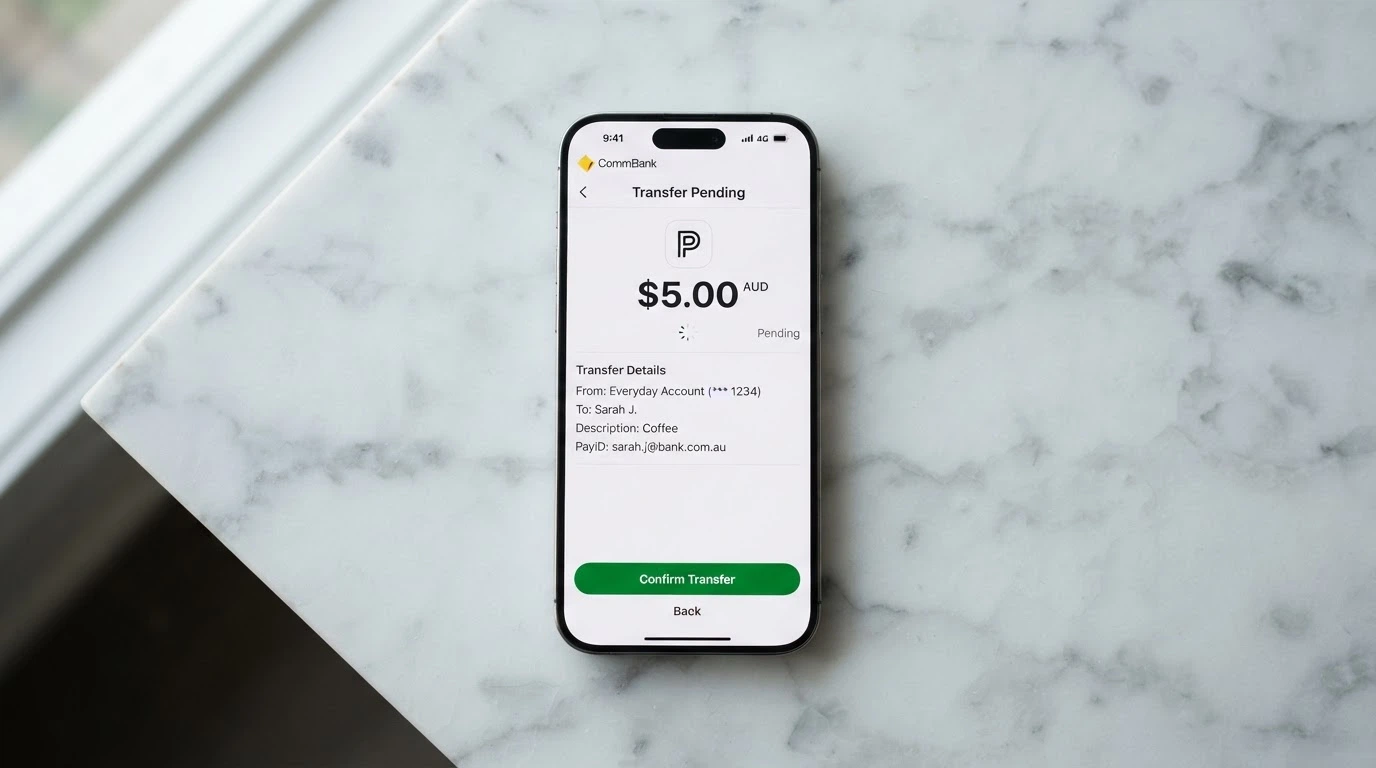
PayID is the Australian default. It moves money through the New Payments Platform in near real time, settles in seconds, and sits on every major Australian bank’s app. For an Australian player, it is the obvious choice. It is also rarely the dollar choice. PayID/bank rails A$5–A$10 floor is what almost every AU-facing offshore casino sets, and the operators who set it lower tend to be the operators with the weakest compliance posture overall.
A practical signal lives in the deposit screen. If a casino claims $1 deposits but does not list PayID as an option, close the page — it is almost certainly a fake. PayID availability is the cheapest, fastest indicator that the operator is set up for the Australian market at all. An operator running PayID is at least configured for the country; an operator skipping it is either running a global white-label or running a scam. The dollar claim survives neither.
Credit and Debit Cards: The $10 Floor and the 2024 Ban
Cards run higher than PayID. Neosurf and cards A$10–A$20+ is the typical offshore-casino floor for the Visa and Mastercard channels, sometimes a little lower, almost never at A$1. The processing cost for the operator is higher on cards than on PayID, and the floor reflects it.
A separate issue cuts the other way. Credit cards, credit-related products and digital currency are banned as payment for online wagering in Australia since 11 June 2024. The ban is on the operator, not the player. Penalties for operators failing to enforce the ban: up to $247,500. The licensed Australian wagering market — the bookmakers — accepts debit cards and PayID and BPAY and nothing else. The offshore casinos accepting Australian deposits accept credit cards, because they are outside the Australian regime. A credit-card deposit screen is, in practice, a marker that the operator is unlicensed for this country. A debit-card screen does not tell the reader either way.
Crypto Deposits: The Only Route That Genuinely Hits $1
Crypto is the one channel where a genuine A$1 deposit exists. Bitcoin and the major altcoins do not enforce minimums in the way card processors do, and the offshore operators who accept them can run their floors where the network allows. Stake’s minimum sits around AU$0.10 BTC-equivalent — well below the dollar, and the lowest genuine real-money deposit at any AU-facing offshore casino. Other crypto-native operators, including Rainbet, accept small deposits in the same band.
The catch is two-fold. Crypto banned for licensed wagering since 11 June 2024 — the same payment-method prohibition that catches credit cards catches crypto, and a crypto deposit is, like a credit-card deposit, a marker that the operator is outside Australian rules. And once network fees apply, a Bitcoin transaction that the user thought was a A$1 deposit can absorb A$2–A$5 in mining and relay fees on a slow day, leaving them with a smaller balance than the headline suggested. Crypto is genuinely the dollar route, and it is genuinely the most expensive in fees, and it is genuinely outside the regulatory perimeter the rest of the Australian wagering market sits inside.
What Your $1 Deposit Actually Buys: Pokies, RTP and Real-Money Play
A dollar buys real-money spins. The mechanics of the spins — return to player, volatility, what the symbols actually do — sit inside the games, and the games do not know or care how the player funded the account. A A$1 deposit plays the same pokie, with the same RTP and the same variance, as a A$100 deposit. The dollar simply buys fewer spins of it.

Most online pokies sit in a 94–97% RTP band; outliers include Ugga Bugga (~99.07%) and Blood Suckers (~98%). That band is the structural edge the house carries on every spin, and it does not change with deposit size. What changes is session length: more deposit, more spins, more time inside the variance, more chances to hit a high-volatility payout window or to grind it down on a low-volatility title. The dollar’s expected return, in absolute terms, is small; the dollar’s expected return as a percentage of stake is identical to a thousand-dollar player’s.
Pokies You Can Actually Play with a $1 Balance
The pokie catalogue below is built around confirmed research figures: provider, RTP and volatility where the source carries the value, plus minimum bet where it matters for the dollar question. A title with a one-cent minimum stretches the dollar into 100 spins; a title with a ten-cent minimum gives the player ten spins and a quick exit.
| Pokie Title | Provider | RTP | Volatility |
|---|---|---|---|
| Book of Dead | Play’n GO | 96.21% | High |
| Sweet Bonanza | Pragmatic Play | 96.51% | High |
| Wolf Gold | Pragmatic Play | 96.01% | Medium |
| Starburst | NetEnt | 96.09% | Low |
| Big Bass Bonanza | Pragmatic Play | 96.71% | — |
| Razor Shark | Push Gaming | 96.70% | — |
| Mega Joker | NetEnt | up to 99.00% | High |
| Sugar Rush | Aristocrat | 96.50% | High |
| Fire Joker | Play’n GO | 96.15% | — |
Book of Dead is the headline dollar choice: one-cent minimum bet, high volatility, 5,000x maximum win. At A$0.01 a spin, a dollar buys 100 chances, and a high-volatility session means most of those spins will lose, but the long tail is where the payouts live. Sweet Bonanza and Sugar Rush are higher-variance Pragmatic and Aristocrat titles that work on the same dollar — the multipliers stretch a single spin’s payout to multiples of the stake that low-volatility titles never reach. Starburst and Fire Joker are the low-variance counterweight — fewer spins per dollar, but a steadier drip of small wins that keeps the balance alive longer.
Mega Joker is the structural outlier: the Supermeter mode pushes the effective RTP up to 99.00%, which means the house edge, for that specific mode, is closer to one cent in the dollar than to the five cents most pokies carry. The session cost for a A$1 player running Mega Joker is therefore lower than the same session on most other titles, in expected-loss terms, even though the variance is high.
Real-Money Play vs Demo Mode: What $1 Unlocks
Demo mode costs nothing. Every pokie on every offshore casino reviewed here will run in demo mode without a deposit — the same reels, the same symbols, the same bonus rounds, with play-money credit that the casino refreshes when the player runs out. The deposit is the gate to real-money outcomes. Once the player funds the account, every spin is a real-money event, with a real payout if the reels land right and a real loss if they do not.
The withdrawal floor is where the dollar stops being useful. Withdrawal floor of A$25–A$100 blocks small-balance cashout — a player who deposited A$1, won something, and tries to cash out is told the balance is below the threshold. The fun-mode option is therefore not just a marketing nicety. It is the only way to play the dollar’s worth of spins without the cashout trap sitting at the end. A player who wants the pokie experience without the deposit can have it. A player who wants the real-money outcome needs to deposit enough to clear both the spin cost and the eventual withdrawal threshold.
A simple calculation makes the dollar session concrete. Book of Dead at A$0.01 per spin, 96.21% RTP, on a A$1 balance: 100 spins at five-second spacing runs roughly eight minutes. The expected loss on that session, assuming nothing in the volatility tail hits, is about four cents — the dollar minus the 96.21% return the maths projects. That figure is the average over many such sessions, not a promise for any individual run. A single eight-minute Book of Dead session might return the full dollar, or fifty cents, or nothing; the four-cent expected loss is the long-run mean.
Starburst at A$0.10 per spin, 96.09% RTP, on a A$1 balance: ten spins, under one minute of play. Expected loss on the same basis: roughly four cents. The dollar is gone in either case — the difference is whether the player spent eight minutes on Book of Dead or fifty seconds on Starburst, and which experience they prefer.
Mobile $1 Deposit Casinos: The Phone-First Reality of Micro-Deposit Play
The dollar-deposit demographic lives on the phone. Mobile is the dominant channel for $1 deposit play — the demographic of small-deposit users skews heavily toward phone-only gamblers. The operators reviewed here built for that demographic first: browser-based mobile lobbies, PWA apps that skip the app-store gate, deposit flows that fit a single-thumb checkout.

Why Mobile Is the Default for $1 Deposit Players
The phone-only gambler is a real profile, not a marketing fiction. A player who deposits in dollar amounts is rarely a high-stakes desktop user with a second monitor and a spreadsheet. They are a player on the bus, on the couch, in the five-minute gap between meetings. The interface they reach for is the one in their pocket, and the offshore operators have designed for them.
Progressive Web Apps are the structural lever. Bizzo Casino 10 free spins for installing the PWA app — a no-deposit offer tied to the act of adding the casino’s web app to a phone home screen, without going through the App Store or Google Play. The PWA sidesteps the store-gate friction that keeps casual users from downloading native apps, and the ten free spins are the operator’s acquisition cost. For a A$1 deposit player, the PWA route is also the lowest-commitment entry point: install, claim, play, walk away.
Mobile Pokies: A $1 Session on a 6-Inch Screen
Pokies are built portrait-first. Pragmatic Play, Play’n GO, NetEnt and the other major studios release mobile-optimised builds of every title, with the spin button sized for a thumb and the reels scaled to fit a six-inch screen in portrait mode. A Book of Dead session on a phone is not a degraded version of the desktop experience — it is the version the studio designed first.
The deposit flow is the friction point. Mobile browser deposit screens, especially for PayID, often default to a redirect to the bank app and back, and the round-trip eats into the casual player’s patience. Crypto deposits on mobile require a wallet app open in parallel — workable, but a second app to manage. Card deposits are the smoothest mobile flow for a dollar, except the dollar itself rarely clears the card minimum. The phone-first design is real; the phone-first deposit flow is where the dollar floor most often stalls.
Offshore Casinos Australians Actually Use for Low Deposits in 2026
Every $1 deposit casino on this page is offshore and unlicensed in Australia. Every AU-facing offshore casino accepting $1 deposits in a 2026 comparison table holds a Curacao licence — none holds an Australian licence because none exists. The operators below are the brands Australian players actually reach, ranked by the order the research sets.
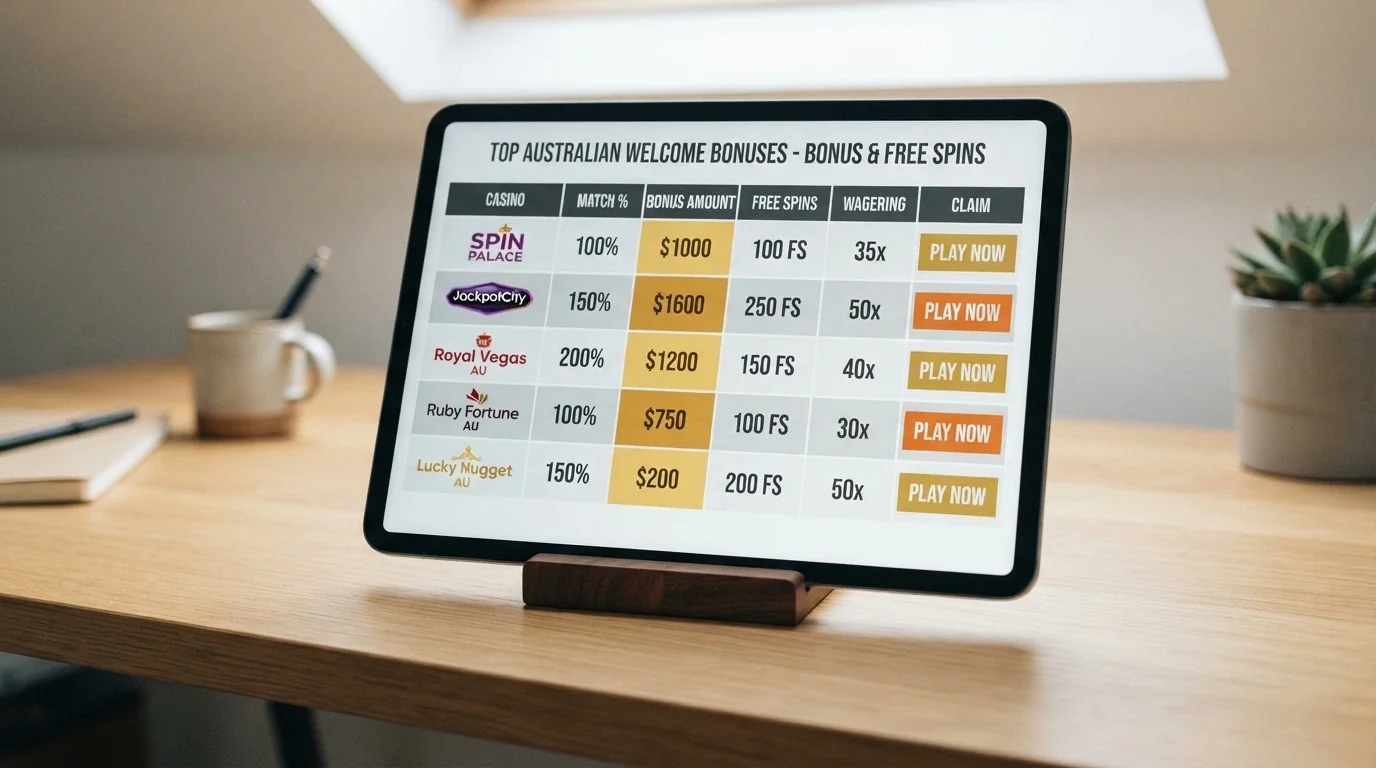
| Casino | Offshore Licence | Welcome Bonus | Wagering | Game Providers |
|---|---|---|---|---|
| SkyCrown | Curacao | Up to A$8,000 + 400 FS (4 tiers) | 40x | Pragmatic Play, Play’n GO, NetEnt, Evolution Gaming |
| RocketPlay | Curacao | 100% up to A$500 + 100 FS (1st), 200% up to A$500 (2nd) | 40x | Pragmatic Play, Play’n GO, BGaming, Hacksaw Gaming |
| Royal Reels | Curacao | 100% up to A$500 | 30–40x | Pragmatic Play, Evolution Gaming, Yggdrasil, Hacksaw Gaming, 30+ providers |
| WinSpirit | Curacao | 200% + 25 FS | 40x | — |
| Fair Go | Curacao | 100% up to A$200 | 30x (deposit + bonus) | RTG exclusive |
| Bizzo Casino | Curacao | Up to A$7,250 + 175 FS (4 deposits) | 40x | 70+ studios, 8,000+ games |
| Stake | Curacao | — | — | Proprietary originals + major studios |
| Rainbet | Anjouan (ALSI-152406029-FI2) | First-deposit promo balance | 40x | Slots, live casino, Rainbet Originals |
| KatsuBet | Curacao | 100% up to 1.5 BTC + 100 FS | 35x | — |
| Scream Casino | Curacao | — | — | — |
KatsuBet — Confirmed $1 Free-Spins Offer
KatsuBet is the only reviewed brand with a confirmed A$1 free-spins offer: 50 free spins on Scroll of Adventure for a single dollar. The standard welcome at KatsuBet is a 100% match up to 1.5 BTC plus 100 free spins, with 35x wagering and a A$40 minimum deposit. The dollar-tier offer sits below that welcome, gated separately, and it is the cleanest A$1 product in the reviewed set.
The terms behind the dollar offer are the part that matters. 35x wagering is below the 40x most of the reviewed set carries, but it still attaches to whatever the 50 free spins on Scroll of Adventure produce. A player who hits a big multiplier on Scroll of Adventure still has to run the winnings through 35 turns before they reach a cashout-eligible state. For a reader who wants to test a casino with a single dollar and a defined ceiling on what the dollar can become, KatsuBet is the cleanest fit in the reviewed group.
Stake — Genuine Sub-$1 Crypto Deposits
Stake runs the lowest genuine deposit floor at an AU-facing offshore casino: approximately AU$0.10 BTC-equivalent. Crypto-only for lowest deposits — fiat channels on Stake run higher, and the dollar figure is reachable only via Bitcoin and the major altcoins. The game library mixes Stake’s proprietary originals with major studio titles, and the operator has built a reputation in the Australian market around its crypto rails and its original-game catalogue.
The regulatory irony is sharp. Crypto is the payment method the Australian regulator banned for licensed wagering in June 2024, and Stake is the operator most accessible to Australian players through that same banned channel. The dollar is real; the regulatory status of the route is what the reader has to weigh. For a player comfortable with the offshore reality and with crypto at hand, Stake is the deepest dollar-rail in the market. For a player who wants PayID and an Australian-style deposit flow, it is not on the map.
Bizzo Casino — Largest Game Library with PayID
Bizzo runs the largest library reviewed: 8,000+ games from 70+ studios, with PayID available for both deposits and withdrawals. The welcome package runs up to A$7,250 plus 175 free spins over four deposits, 40x wagering, A$8 maximum bet during wagering. PayID dual-direction is the structural advantage — most offshore casinos accept PayID for deposits only, and the player is pushed onto a different method for the cashout. Bizzo is one of the few where PayID runs both ways.
The no-deposit offer is small but distinctive: 10 free spins for installing the PWA app, 40x wagering, A$75 win cap. The win cap is the ceiling — anything above A$75 from the free spins is forfeited at cashout. For a dollar player, the PWA install is also a low-commitment way to try the casino without funding the account at all.
SkyCrown — Biggest Headline Welcome Package
SkyCrown’s headline is the largest in the reviewed set: a 4-tier welcome of up to A$8,000 and 400 free spins. The terms sit at 40x wagering on both bonus and free spins, with an A$7.50 standard maximum bet, 14-day bonus validity, and a A$5,000 maximum bonus-to-real-money conversion per tier. The 400 free spins split across the four deposits.
The dollar player is not the SkyCrown player. SkyCrown first deposit bonus starts at A$30 minimum, and the welcome package is gated well above the dollar floor. For a player with A$30–A$100 to commit on the first deposit and willing to clear 40x wagering across four deposits, SkyCrown is the biggest package available. For the dollar-only reader, it is not on the map — and that mismatch is worth flagging directly, because the headline number is the most prominent number on the operator’s marketing.
RocketPlay — Balanced Welcome with Free Spins
RocketPlay’s first deposit is a straightforward 100% match up to A$500 plus 100 free spins. The second deposit runs 200% up to A$500, but with a A$50 minimum that prices out the micro-depositor. Wagering sits at 40x on the bonus amount, with a A$7.50 maximum bet during wagering. The welcome is balanced, not extreme, and the bonus structure rewards the player willing to fund the second deposit.
The dollar player sits outside the welcome band again. RocketPlay’s headline offer is for the A$50-and-up player; the dollar sits below the activation threshold and runs as cash play. For a reader choosing between RocketPlay and SkyCrown at the A$50 tier, RocketPlay’s higher percentage on the second deposit is the structural advantage; for a reader at the dollar, the comparison does not apply.
Royal Reels — No-Deposit Sign-Up Bonus Plus Match
Royal Reels is the rare operator that offers a no-deposit A$10 sign-up bonus alongside a 100% deposit match. A player can claim A$10 of bonus credit for signing up, with no deposit required, before deciding whether to fund the account. The deposit match sits at 100% up to A$500 with a A$30 minimum, and wagering runs 30–40x. The game library lists 2,000+ titles from 30+ providers, including Pragmatic Play, Evolution Gaming, Yggdrasil and Hacksaw Gaming.
The A$10 no-deposit is the closest product on this page to a free dollar session. A reader can register, claim the A$10, and play without funding the account at all — clearing the 30–40x wagering on whatever the no-deposit produces before deciding whether to deposit. Royal Reels stands out as the most accessible no-deposit test drive for new players.
WinSpirit — 200% Match at Low Entry
WinSpirit’s welcome runs a 200% match plus 25 free spins, with 40x wagering. The percentage is one of the highest in the reviewed set — a A$50 deposit returns A$150 in bonus credit plus the spins — and the lower entry cost makes it accessible to a smaller bankroll than SkyCrown’s headline. The terms behind the match sit at industry standard.
The dollar player is again outside the welcome tier. WinSpirit’s 200% match activates at the standard minimum deposit, which sits well above A$1. It is comparable to SkyCrown and RocketPlay, assuming the player clears the higher deposit floor.
Fair Go — RTG-Only Library, Lowest Wagering
Fair Go runs an RTG-exclusive library and the lowest deposit-bonus wagering in the reviewed set: 30x on deposit plus bonus, with no maximum cashout on deposit bonuses. Pokies contribute 100% to wagering, table games 0%. The combination — low wagering, no cashout ceiling, full pokie contribution — is the most generous bonus structure in the set, in pure arithmetic terms.
The no-deposit offer is where Fair Go is also distinctive: A$100 free chip at 60x wagering with approximately A$180 cashout cap. A reader can claim A$100 of bonus credit without funding the account, run it through the 60x wagering, and cash out up to A$180 if the math lands right. The 60x wagering is steep — but the A$180 ceiling is the highest no-deposit cashout in the reviewed set, and the RTG-only library is the most consistent game catalogue for a player who knows the RTG titles and wants to play them across multiple sessions.
Rainbet — Anjouan Licence, Crypto-Native
Rainbet is the only Anjouan-licensed operator reviewed, running under licence ALSI-152406029-FI2. Anjouan is a different offshore jurisdiction from Curacao, with its own regulatory framework and its own compliance posture. The first-deposit promotional balance carries 40x wagering, the maximum bet is limited to 2% of the deposit amount, and the free spins apply to Sweet Bonanza. Minimum withdrawal sits at $15 equivalent.
The Anjouan licence is the structural marker. A reader comparing Rainbet to the Curacao-licensed set is comparing two offshore regimes, not comparing an offshore operator to a licensed Australian one — but the difference matters for any reader who has researched offshore licensing and prefers one jurisdiction over another. For a crypto-native reader with a small bankroll and a preference for the Anjouan framework, Rainbet is the cleanest fit.
Scream Casino — Limited Confirmed Data
Scream Casino sits at the bottom of the reviewed set for confirmed data this run. The Curacao-licensed offshore status is what the research carries; the welcome bonus, the wagering, the game providers and the deposit minimums were not independently confirmed. The brand is listed for completeness as an AU-facing operator, and a reader researching Scream Casino independently will need to verify the specifics on the operator’s own site before committing.
The honest summary here is short on detail for a reason. The research did not surface figures the audit can stand behind, and an operator block with no figures behind it is the operator block that should be the shortest. A reader who has already shortlisted Scream Casino on other grounds can use this entry as a flag to verify the terms directly; a reader choosing between the reviewed brands on the strength of the data on this page will find more to work with elsewhere in the set.
New $1 Deposit Casinos in 2026: Fresh Brands, Same Offshore Reality
New AU-facing casinos launch every month in 2026, many using $1 minimum deposit as a launch promotion; most are white-label reskins with Curacao licences. At least a dozen new brands appeared. The marketing hook on the new launches is almost always the same: $1 deposit headline, fat welcome bonus, fresh branding, no track record.
The 2026 Wave of New $1 Deposit Brands
The launch cadence is real. New AU-facing casinos launch every month in 2026, many using $1 minimum deposit as a launch promotion, most are white-label reskins with Curacao licences, at least a dozen new brands appeared. The $1 deposit is the customer-acquisition hook of choice — it costs the operator very little per signup, it filters for the small-balance player, and it differentiates the launch from the established brands on the same white-label platform.
A new brand in 2026 is, statistically, the same casino as three other brands launched in the previous twelve months. The platform is shared, the game library is shared, the payment processing is shared, the bonus structure is a remix of an existing template. The branding is what changes. For a player who has already tried one of the established brands on the same white-label, the new brand is not a new experience.
How to Spot a Reskin: What “New” Actually Means
The white-label economics are simple. A platform provider builds the casino software, the payment rails, the game aggregation, the licence structure and the back office. A branding partner pays for the front end — the logo, the colour scheme, the welcome page — and operates the marketing. The platform provider collects a share of revenue; the branding partner collects the rest. The player sees a brand; the regulator sees a licence number; the platform provider sees a customer.
The signals to check are public. The licence jurisdiction, the game provider list, the payment method list, the terms-of-service structure — all of it is visible on a serious operator’s footer and About page. If a new brand carries the same Curacao licence number format as an existing one, the same Pragmatic Play / Play’n GO / NetEnt game aggregation, and the same bonus structure with a new logo on top, it is a reskin. If the licence jurisdiction, the game provider list and the bonus terms are genuinely different, it may be a new operator. The footer is the cheapest lie detector on the page.
The Legal Reality: No Licensed Online Casino Exists in Australia
Online casino games, online pokies and in-play sports betting are prohibited in Australia under the Interactive Gambling Act 2001 — no licence exists anywhere in the country. The Interactive Gambling Amendment (Gambling Reform) Bill 2026 passed Parliament 19 August 2026, measures commence 1 January 2027. The law exists; the reformed version takes effect at the start of 2026+1.
The individual player is not prosecuted under the IGA — the Act targets the provider, not the customer. A reader of this page is not at legal risk for playing at an offshore casino. The offshore operator is. The reader’s risk is consumer risk: no Australian recourse if the operator refuses a withdrawal, no Australian fund recovery if the site disappears, no Australian regulator to complain to if a bonus term is misapplied.
Licensed vs Unlicensed: The Offshore Reality
Every operator reviewed holds a Curacao licence. Rainbet holds an Anjouan licence. None holds an Australian licence, because the Australian licence does not exist for the product. The distinction is structural — the reader is not choosing between a licensed operator and an unlicensed one; the reader is choosing between unlicensed operators that hold different offshore licences.
A Curacao licence is a real licence, issued by a real regulator, with a real (if limited) compliance framework. It does not provide Australian consumer protection. It does not connect to BetStop. It does not give the player recourse to an Australian court. What it does provide is a baseline of operational legitimacy — payment processing, KYC procedures, game-provider certification — that an unlicensed operator with no regulator of any kind does not. The reader comparing the offshore set is comparing the better-regulated offshore operators to the less-regulated ones, not comparing offshore to onshore.
What Protections Australian Players Actually Lose
The list of what an offshore casino does not provide is the list that matters:
- No BetStop coverage. BetStop — the National Self-Exclusion Register — binds Australian-licensed wagering services only; an offshore casino is not licensed in Australia, is not connected to BetStop and will continue accepting a self-excluded person’s deposits. A player who has self-excluded from Australian wagering is not self-excluded from the offshore casino market.
- No ACMA fund recovery. The Australian Communications and Media Authority investigates complaints against operators providing prohibited services and refers them for civil penalty proceedings. It does not have a fund-recovery function. A player whose offshore operator refuses a withdrawal has no Australian agency to call.
- No Australian Consumer Law protection. The Australian Consumer Law covers goods and services supplied in Australia by Australian businesses. An offshore operator is outside its jurisdiction. Misleading bonus terms, non-payment, account closure without cause — all of it is outside the ACL’s reach.
- No Australian dispute resolution. The offshore operator’s dispute resolution is whatever the operator’s own terms specify, usually internal. There is no Australian equivalent of a financial ombudsman for offshore casino disputes.
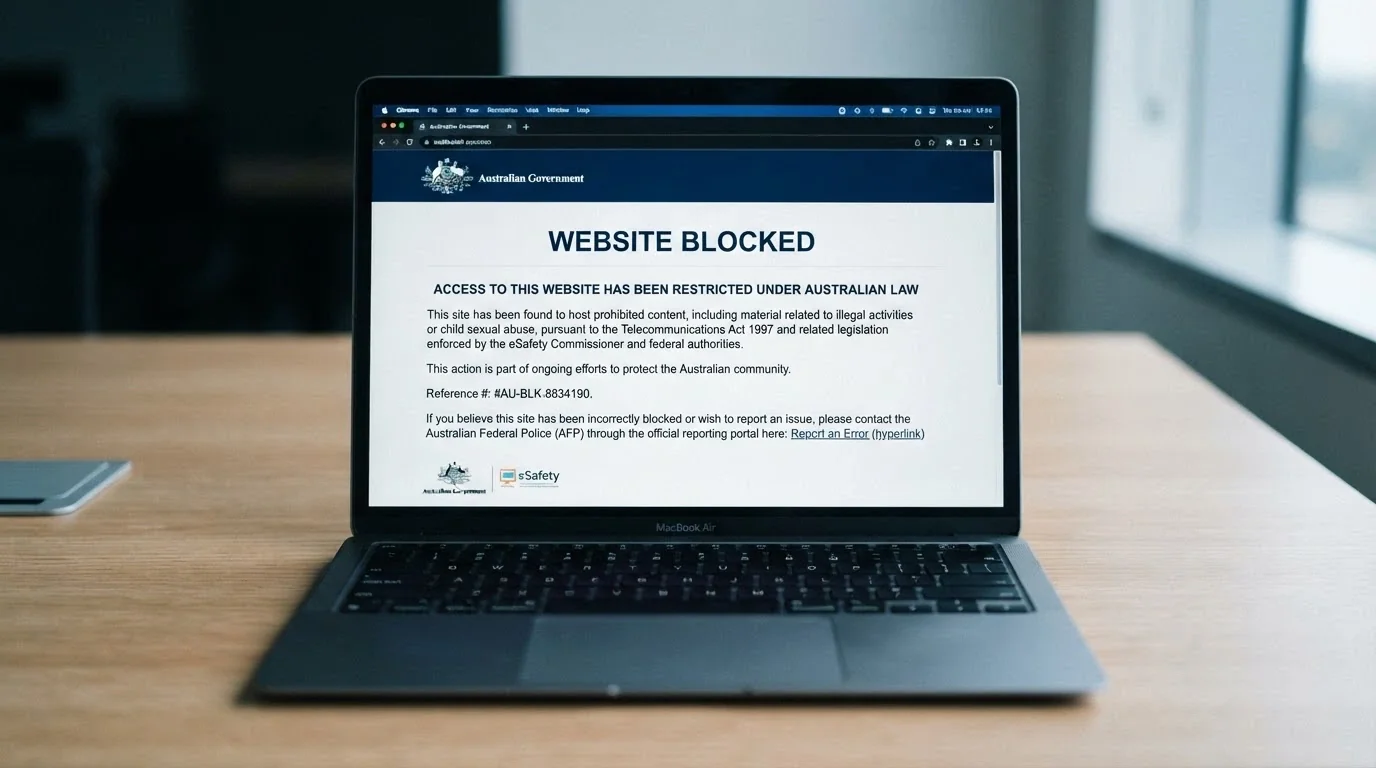
- ISP blocking risk. Since its first blocking request in November 2019, the ACMA has had 1,564 illegal gambling and affiliate websites blocked by Australian ISPs (as at March 2026), more than 225 illegal services have withdrawn since 2017. A site a player uses today can be blocked tomorrow. A balance on a blocked site is a balance on an inaccessible site.
The penalty structure is on the operator side, not the player. Providing a prohibited interactive gambling service to a person in Australia is illegal; operator penalties up to $247,500 for non-compliance with the payment-method ban, with broader civil penalty proceedings available for ongoing non-compliance. The player is not the target. The player’s protection is the absence of every safeguard the Australian onshore market would provide.
Responsible Gambling Tools and the Offshore Gap That Undermines Them
BetStop — 67,480 registrations as at 31 July 2026, of which 41,290 are still active, with 78% of registrants under 40 and 38% choosing lifetime exclusion. The National Gambling Helpline 1800 858 858, free, confidential, 24/7, with online chat and counselling through gamblinghelponline.org.au. Approximately 2.1% of Australian adults — roughly 430,000 people — experience problem gambling, with high-risk gambling at 1.8% (Australian Institute of Health and Welfare, 2022). The infrastructure is real.
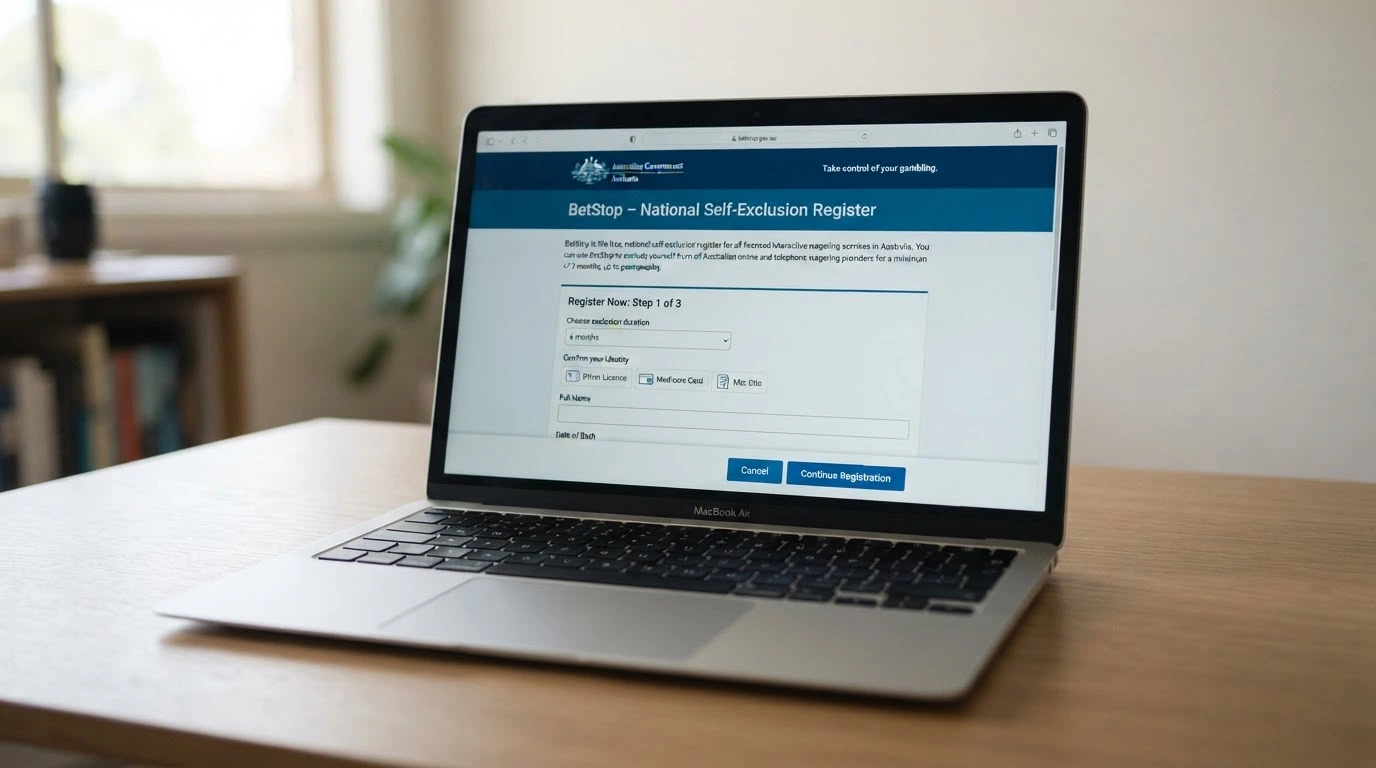
It stops at the licensed border. An offshore casino is not connected to BetStop. The helpline still answers; the counselling is still available; the self-assessment tools still work. What the offshore casino does not honour is the self-exclusion decision the player made on the Australian register. A player who has registered with BetStop and then deposits at an offshore casino has not self-excluded — they have self-excluded from a market they were not in. The offshore gap is the most concrete single harm of the offshore route.
Deposit Limits, Budgeting and the $1 Threshold
A A$1 deposit is, in one reading, a built-in budgeting tool. The player cannot spend more than they have funded. The operator’s deposit limit — set by the player, if the operator offers the tool — caps the per-transaction or per-day amount. A player who sets a A$5 daily deposit limit on a A$1-per-spin pokie is running a structured session of 500 spins maximum, and the operator’s enforcement of that limit is what makes it work.
Not every offshore operator honours deposit limits consistently. The Australian-licensed wagering operators are required to offer deposit-limit tools and to enforce them. The offshore casinos are not. A player who sets a limit on an offshore casino is relying on the operator’s compliance posture, not on an enforceable regulatory requirement. The National Gambling Helpline is 1800 858 858 — free, confidential, 24/7 — for any player who finds the limits they set are not the limits they are running.
The risk on the dollar floor is the opposite of the risk on the high-roller floor. A high-roller player can lose thousands in one session; the structural risk is the size of the loss. A dollar-deposit player cannot lose thousands in one session; the structural risk is the frequency of the sessions. A A$1 deposit a day, repeated for a year, is a A$365 outlay on a product the player cannot cash out below the withdrawal threshold. The dollar floor does not limit spend; it fragments it across many small transactions that the player may not aggregate in their own budgeting.
Self-Exclusion, BetStop and the Offshore Blind Spot
BetStop is effective for the licensed Australian wagering market. One registration excludes a person from every Australian-licensed online and phone wagering service, and the operator cannot reverse the exclusion during the chosen period. 67,480 Australians have registered; 41,290 exclusions are still active. For wagering on races and sport through the licensed bookmakers, BetStop works.
For the offshore casino market, BetStop does not reach. An offshore casino is not connected to BetStop, and will continue accepting a self-excluded person’s deposits. A player who has self-excluded from Australian wagering and then deposits at an offshore casino is not protected by the exclusion — they have self-excluded from one market and self-funded access to another. The offshore blind spot is the most concrete single gap in the Australian responsible-gambling framework, and it is the gap that the dollar deposit sits inside.
The 2026 reform sharpens the onshore side. From 1 January 2027, direct marketing of inducements is banned for three months after a person deregisters from BetStop, indefinitely for customers identified as at risk of gambling-related harm, and for fourteen days after a customer signs up with a new operator. The reform does not extend BetStop’s reach into the offshore market; it tightens the onshore market’s inducement rules around the BetStop population. A player who deregisters from BetStop will not receive inducements from Australian-licensed operators for three months. They will still receive inducements from offshore casinos.
Gambling Help Online at gamblinghelponline.org.au — the online chat, self-assessment tools and counselling are the support infrastructure for any player who finds the offshore gap has caught them. The 1800 858 858 helpline is free and confidential. The infrastructure works; the offshore gap is the structural problem the infrastructure cannot close.
How We Assessed These $1 Deposit Casinos
The licence check ran against the Australian Communications and Media Authority’s enforcement list and the published regulatory framework. Every operator reviewed is labelled offshore and unlicensed in Australia — not because the research failed to find an Australian licence, but because the licence does not exist for the product. The Australian Communications and Media Authority is the federal regulator for online gambling enforcement; the Interactive Gambling Act 2001 is the statute; the offshore status is the structural reality, not a research oversight.
The bonus-term comparison drew on the published terms pages of each operator and the affiliate reviews that summarise them. The wagering multiples, maximum bet rules, validity periods and conversion caps are the figures operators publish; the research carries them as published and labels them as such. Where the research could not confirm a figure this run — Scream Casino’s specifics being the clearest case — the operator block is short on data for that reason.
The game-provider scope was taken from each operator’s own catalogue page. Pragmatic Play, Play’n GO, NetEnt, Evolution Gaming and the rest of the major studios appear across most of the reviewed set; Fair Go runs RTG-only, and that difference is structural. The 8,000+ game count at Bizzo is the largest reviewed; the 2,000+ count at Royal Reels is mid-range. Where the research did not confirm a provider list in detail, the table cell carries the no-data marker.
The operator ranking is set by the editorial priority the research establishes. It is not a weighted score. There is no invented percentage, no composite rating across bonus size, wagering, game count and licence trust — the marketing artefact the audit is built to catch. The order is a decision about which operators the Australian player is most likely to encounter and most needs to understand, and the rest of the ordering follows from there.
What a $1 Deposit Actually Gets You — and Whether It’s Worth It
A dollar buys spins. It does not buy a cashout. It does not buy a welcome bonus on most of the reviewed operators. It does not buy Australian consumer protection or BetStop coverage or ACMA recourse. It buys time on the reels, and the time on the reels is real — 100 spins on Book of Dead, 10 spins on Starburst, ten spins on most of the popular Pragmatic and Push Gaming titles.
A$5–A$10 is the realistic floor most Australian players will meet; below that, the deposit is a crypto edge case, and crypto is the one payment method the Australian regulator has banned for licensed wagering. The minimum withdrawal of A$25–A$50 traps small balances; a dollar’s worth of winnings sits below the cashout floor until the player deposits again to clear it. The offshore reality sits behind every option on this page: every reviewed operator is Curacao-licensed (Rainbet is Anjouan-licensed), every reviewed operator is outside Australian rules, and every reviewed operator sits outside the Australian responsible-gambling framework the reader would otherwise have access to.
The honest summary is that the dollar is not the price point this market has settled at. It is the price point the marketing has settled on. A reader who deposits a dollar is testing an offshore operator with the smallest possible exposure, and that is a defensible reason to read this page — the dollar session is a real session, and the information above is what the session sits inside. A reader who intends to play more than a single session is better served by the A$5–A$10 floor the Australian payment methods actually clear, with a clear understanding that the deposit is to an offshore operator and the protections of the Australian onshore market do not extend there.
For a player who wants the dollar and the offshore reality: KatsuBet’s 50 free spins for A$1 is the cleanest dollar offer in the reviewed set, and Royal Reels’ A$10 no-deposit is the cleanest zero-deposit entry. For a player with A$5–A$10 to commit through PayID: Bizzo’s PayID dual-direction is the cleanest deposit-and-withdrawal route, and Fair Go’s 30x wagering is the cleanest bonus terms. For a player with A$30 or more and a willingness to clear wagering: SkyCrown’s headline is the largest, WinSpirit’s 200% match is the strongest percentage, RocketPlay’s tiered welcome is the most balanced. For a player with crypto at hand: Stake’s sub-dollar floor is the deepest, Rainbet’s Anjouan licence is the alternative jurisdiction, and both sit outside the Australian regulatory perimeter.
The decision is the reader’s. The information on this page is what the decision should rest on.
Frequently Asked Questions
Can I get a welcome bonus when I only deposit $1?
Almost never. Most welcome bonuses activate at A$30 or above — SkyCrown at A$30, Royal Reels at A$30, RocketPlay at A$50 for the second tier. A A$1 deposit runs as cash play, not as bonus play. The single exception in the reviewed set is KatsuBet’s 50 free spins for A$1 on Scroll of Adventure, which is the dollar offer and not the standard welcome.
Is a $1 deposit casino the same as a $1 minimum withdrawal casino?
No. A minimum deposit is the smallest amount the casino accepts to fund the account. A minimum withdrawal is the smallest amount the casino will let the player cash out, and it is usually much higher. Most AU-facing offshore casinos sit at A$25–A$50 minimum withdrawal, sometimes A$50–A$100. A player who deposits A$1 and wins a small amount will find their balance below the withdrawal floor until they deposit again to clear it.
What separates a government-approved betting brand from an unregistered casino site?
A government-approved betting brand in Australia holds a state or territory wagering licence for racing and sport. It accepts PayID, debit cards and BPAY, enforces deposit limits, and connects to BetStop. An unregistered casino site is offshore, unlicensed in Australia, accepts credit cards and crypto, and sits outside BetStop. The online casino product is prohibited under the Interactive Gambling Act 2001 — no Australian licence exists for it.
Which actual funding channels let an Australian player deposit one dollar?
Crypto is the only channel where a genuine A$1 deposit is reachable at most reviewed operators — Stake at around AU$0.10 BTC-equivalent, KatsuBet at A$1 for the free-spins offer. PayID sits at A$5–A$10. Neosurf and cards at A$10–A$20+. The dollar headline survives only on the crypto segment, and crypto is banned for licensed wagering in Australia since June 2024 — which is itself a signal that any casino accepting it is operating outside Australian rules.
Can you play at a $1 deposit casino from your phone?
Yes. Mobile is the dominant channel for $1 deposit play — the operators reviewed have built their lobbies for phone browsers and offer PWA installs to skip the app-store gate. Bizzo’s 10 free spins for installing the PWA is the structural example. The deposit flow on mobile is where the dollar floor most often stalls, especially for PayID redirects and crypto wallet hand-offs, but the games themselves run cleanly on a six-inch screen in portrait mode.
Where should I go if gambling stops being enjoyable?
The National Gambling Helpline on 1800 858 858 is free, confidential and staffed 24/7. Gambling Help Online at gamblinghelponline.org.au offers online chat, self-assessment tools and counselling. BetStop at betstop.gov.au is the National Self-Exclusion Register for Australian-licensed wagering services — 67,480 Australians have registered, and 41,290 exclusions remain active. The BetStop coverage does not reach offshore casinos, which is the structural gap to understand before relying on it.
Is a $1 Deposit Worth Your Time?
A dollar buys spins. The question is how many, and at what expected cost. Book of Dead costs one cent per spin, giving a dollar 100 chances at a 96.21% RTP, high-volatility pokie with a 5,000x maximum. Starburst costs ten cents per spin, giving a dollar ten spins at 96.09% RTP, low volatility. The session length differs by a factor of ten; the entertainment value per spin differs by very little.
A dollar’s worth of Book of Dead, with 100 chances at a high-volatility title, is genuinely entertaining for fifteen minutes if anything close to the advertised hit frequency holds. A dollar’s worth of Starburst is ten spins and gone. A dollar on Razor Shark or Big Bass Bonanza lands in between. The smarter play depends on what the player wants — a long, low-impact session or a short, high-variance shot.
The honest comparison is against the A$5–A$10 floor that PayID and most cards actually enforce. A A$10 PayID deposit buys 1,000 spins of Book of Dead or 100 spins of Starburst — enough for a real session, not a token one, and enough to chase any bonus the operator attached to the deposit. For most readers, A$5–A$10 is where this market starts to make sense. The dollar sits below that band, and a dollar’s worth of entertainment is, by the same arithmetic, smaller than the floor the market itself sets.
Prepared by the No Deposit Bonus Casino AU editorial staff.